







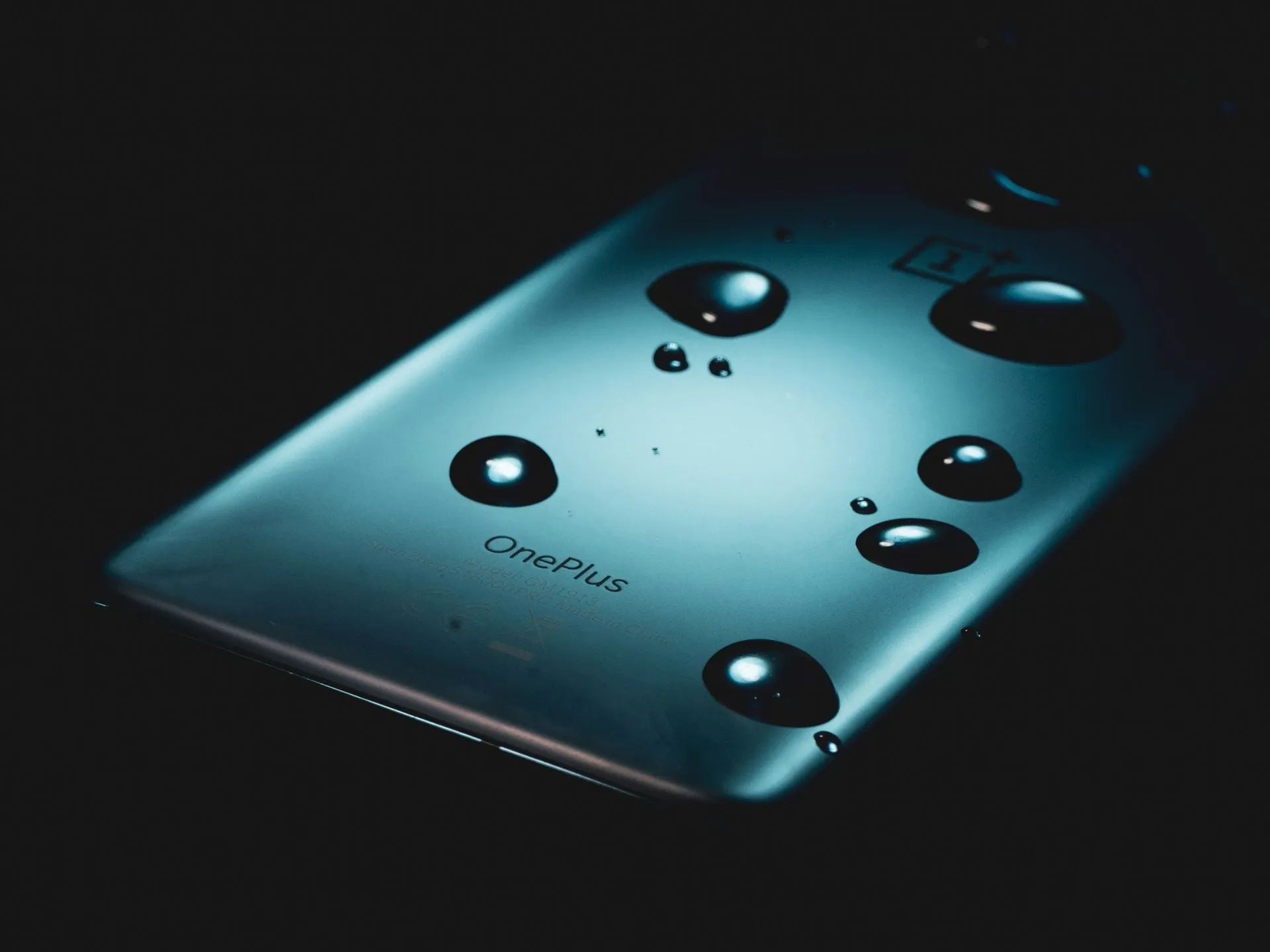
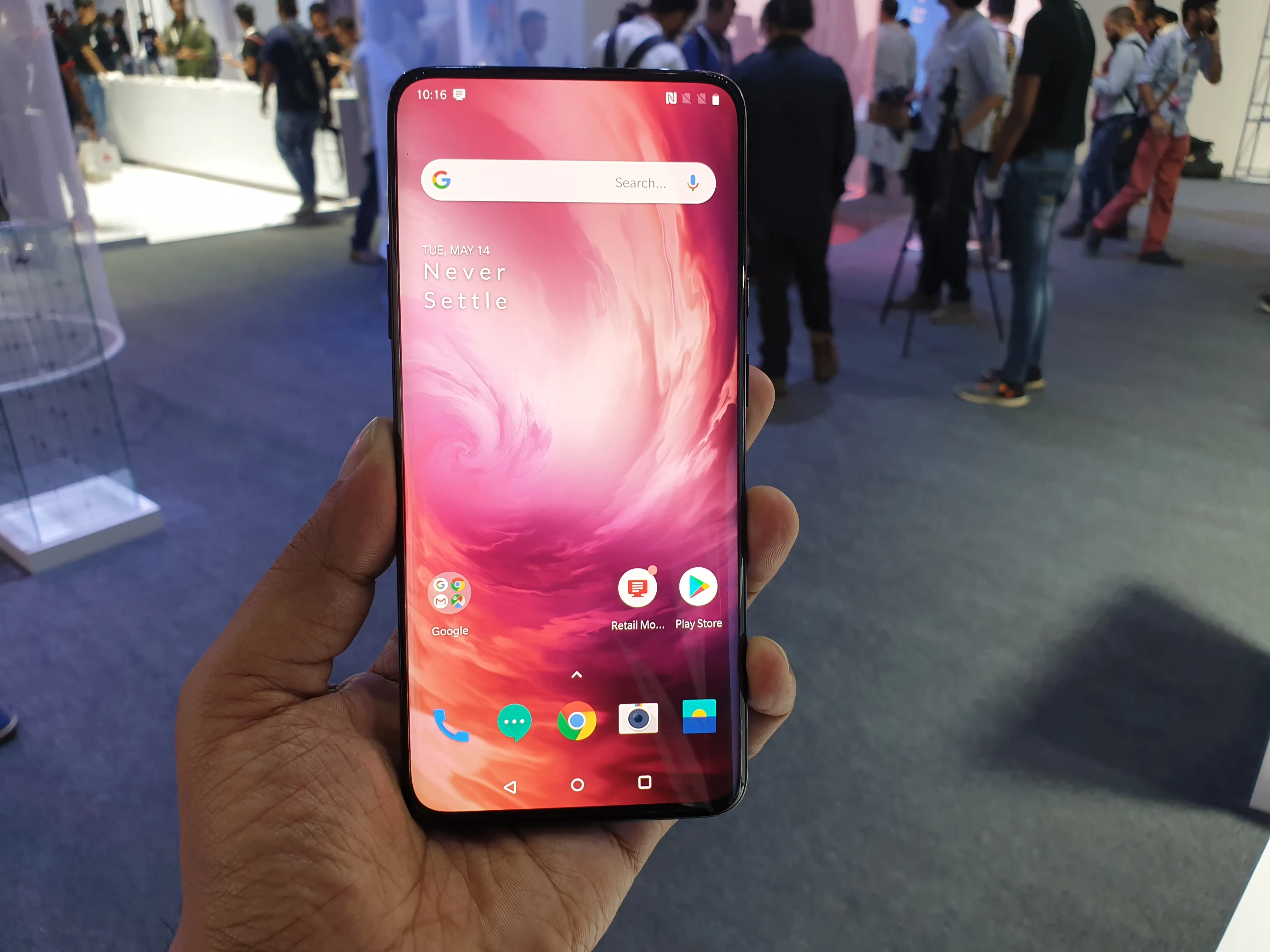
OnePlus has been making bold claims about battery performance lately, but the upcoming OnePlus 15R might just deliver on the hype in a way that puts Samsung's flagship to shame. The budget-friendly variant of OnePlus's latest flagship series is set to feature an enormous power cell that dwarfs what we typically see in North American smartphones. With The Shortcut confirming that this device will house the largest battery capacity available in any phone sold across North America, we're looking at a potential game-changer in the affordable flagship space. The OnePlus 15R represents more than just incremental improvements—it's positioning itself as a direct challenge to Samsung's premium Galaxy S25 Ultra, particularly in the area where users care most: all-day (and then some) battery life.
What makes this especially significant is that traditional flagship phones have historically compromised on battery capacity to maintain premium design aesthetics and keep costs manageable. The OnePlus 15R breaks that paradigm by prioritizing the feature that consistently ranks among users' top concerns while maintaining competitive pricing.
What makes 7,400mAh so impressive?
Here's what gets me excited about this massive battery capacity: we're witnessing a fundamental shift in smartphone engineering priorities. According to The Shortcut, the OnePlus 15R will pack a massive 7,400mAh battery that actually exceeds what you'll find in its more expensive sibling, the standard OnePlus 15. This creates an interesting dynamic where the "budget" variant offers superior endurance compared to the flagship model.
To put this in perspective, consider that most premium devices hover around the 5,000mAh mark. The OnePlus 15R's capacity represents a near-50% advantage on paper, but the underlying technology tells an even more compelling story. CNET reports that the secret behind such extraordinary capacity lies in silicon-carbon battery technology—a relatively new approach that allows manufacturers to increase energy density without requiring physically larger battery compartments.
This isn't just about cramming more traditional battery cells into the same space, which would make phones uncomfortably thick. Silicon-carbon technology fundamentally rethinks how smartphone batteries store and deliver power. The silicon component can hold up to 10 times more lithium ions than traditional graphite, while the carbon structure provides the durability needed to handle the expansion and contraction cycles that occur during charging.
The practical implications become clear when you consider real-world testing scenarios. Android Authority's analysis shows that similar silicon-carbon batteries in the OnePlus 15 deliver 30% to 50% longer battery life compared to mainstream flagships. With the 15R's even larger capacity, users could potentially experience battery life that extends well into multi-day territory for moderate usage patterns.
How does it stack up against Galaxy S25 Ultra?
Let's examine what this capacity advantage means when directly compared to Samsung's flagship offering. Android Authority's testing data reveals that the Galaxy S25 Ultra features approximately 5,000mAh of capacity, creating a dramatic 48% capacity gap on paper. But the real-world performance differences are where this comparison becomes truly interesting.
Tom's Guide's comprehensive battery testing provides concrete evidence of what this capacity advantage delivers. The OnePlus 15's 7,300mAh battery achieved an remarkable 25 hours and 13 minutes in standardized battery drain testing, while the Galaxy S25 Ultra managed 14 hours and 27 minutes. That's not a marginal improvement—it represents a complete transformation in daily device usage patterns.
More importantly, real-world usage scenarios reveal even more dramatic differences. Tom's Guide's extended testing showed the OnePlus 15 lasting two days, 11 hours, and 5 minutes of actual use, while the Galaxy S25 Ultra typically required nightly charging with about 20% remaining. For users accustomed to carefully managing battery throughout the day—dimming screens, closing apps, carrying portable chargers—the OnePlus 15R's larger capacity could eliminate these compromises entirely.
The charging experience further amplifies OnePlus's advantage. While Samsung has maintained relatively conservative charging speeds, The Shortcut confirms that the OnePlus 15R will maintain the company's fast-charging capabilities, likely matching the 80W speeds found in the standard OnePlus 15. This means even with a significantly larger battery, users won't face extended charging times that might offset the capacity benefits.
Beyond the numbers: real-world implications
What truly distinguishes the OnePlus 15R isn't just raw capacity—it's how that capacity transforms the entire smartphone experience. Android Authority's hands-on experience with the OnePlus 15 revealed something significant: large batteries push devices beyond "great single-day battery" territory into genuine "multi-day battery" performance, fundamentally changing how users interact with their devices.
Consider specific usage scenarios that highlight this transformation. Heavy users who typically drain phones by mid-afternoon could potentially make it through entire days without battery anxiety. Moderate users might find themselves charging every other day, or even less frequently. Weekend travelers could leave charging cables at home without concern. These aren't theoretical benefits—they represent practical lifestyle improvements that address real pain points.
The display technology integration also maximizes battery efficiency in ways that multiply the capacity advantage. The Shortcut reports that the 15R will feature a 165Hz 1.5K AMOLED display capable of reaching 1,800 nits peak brightness, incorporating adaptive refresh rate technology that reduces power consumption during less demanding tasks. This means users get smooth performance when needed without unnecessarily draining the battery during routine activities like reading or messaging.
Long-term battery health represents another often-overlooked advantage that becomes increasingly important over time. How-To Geek notes that OnePlus's silicon-carbon battery technology is designed to maintain more than 80% capacity after four years of use. Starting with a 7,400mAh battery that retains 80% capacity after four years means users would still have approximately 5,920mAh of effective capacity—more than most current flagship phones offer when brand new.
Testing scenarios from the OnePlus 15 provide concrete examples of what users might expect. How-To Geek's testing found the device could handle five to six hours of intensive gaming at maximum settings, or record about 90 minutes of 4K video with less than a 15% battery drop. With the 15R's additional 100mAh capacity, these usage scenarios become even more accessible for power users who demand consistent performance throughout extended use sessions.
What this means for the smartphone landscape
The OnePlus 15R's December 17 unveiling, as confirmed by The Shortcut, arrives at a pivotal moment in smartphone development. Rather than focusing primarily on incremental camera improvements or processing power gains that may not translate into noticeable daily benefits, OnePlus is addressing the feature that consistently ranks among users' top priorities: reliable, long-lasting battery performance.
This approach could fundamentally shift industry priorities. CNET's analysis suggests we're witnessing the early stages of a broader battery revolution in smartphones, with silicon-carbon technology enabling capacity improvements that seemed impossible just a few years ago. If the OnePlus 15R delivers on its battery promises while maintaining competitive pricing, it creates pressure for other manufacturers to accelerate their own battery technology development or risk falling behind in a crucial differentiating factor.
The competitive implications extend beyond battery capacity alone. When users can confidently rely on multi-day battery life, it changes their relationship with mobile technology entirely. No more careful battery management throughout the day, no more strategic charging sessions, no more carrying portable batteries for extended outings. These lifestyle improvements represent the kind of practical innovation that drives actual purchasing decisions, rather than incremental upgrades that look impressive in specifications but don't meaningfully impact daily usage.
For manufacturers like Samsung, Apple, and Google, the OnePlus 15R's massive battery capacity creates a new baseline expectation for flagship-level endurance. Users who experience genuine multi-day battery life may find it difficult to accept the daily charging requirements of traditional flagships, regardless of other premium features those devices might offer.
The OnePlus 15R's positioning as an affordable variant with superior battery performance also challenges traditional smartphone hierarchy assumptions. Typically, budget-friendly models compromise on key features to achieve lower pricing. By delivering flagship-level battery performance in a more accessible package, OnePlus is suggesting that practical user benefits should take priority over premium positioning—a philosophy that could resonate strongly with consumers frustrated by incremental annual upgrades that don't address fundamental usability concerns.










Comments
Be the first, drop a comment!