





OnePlus Nord 6 Durability Features: IP69K and MIL-STD-810H Explained
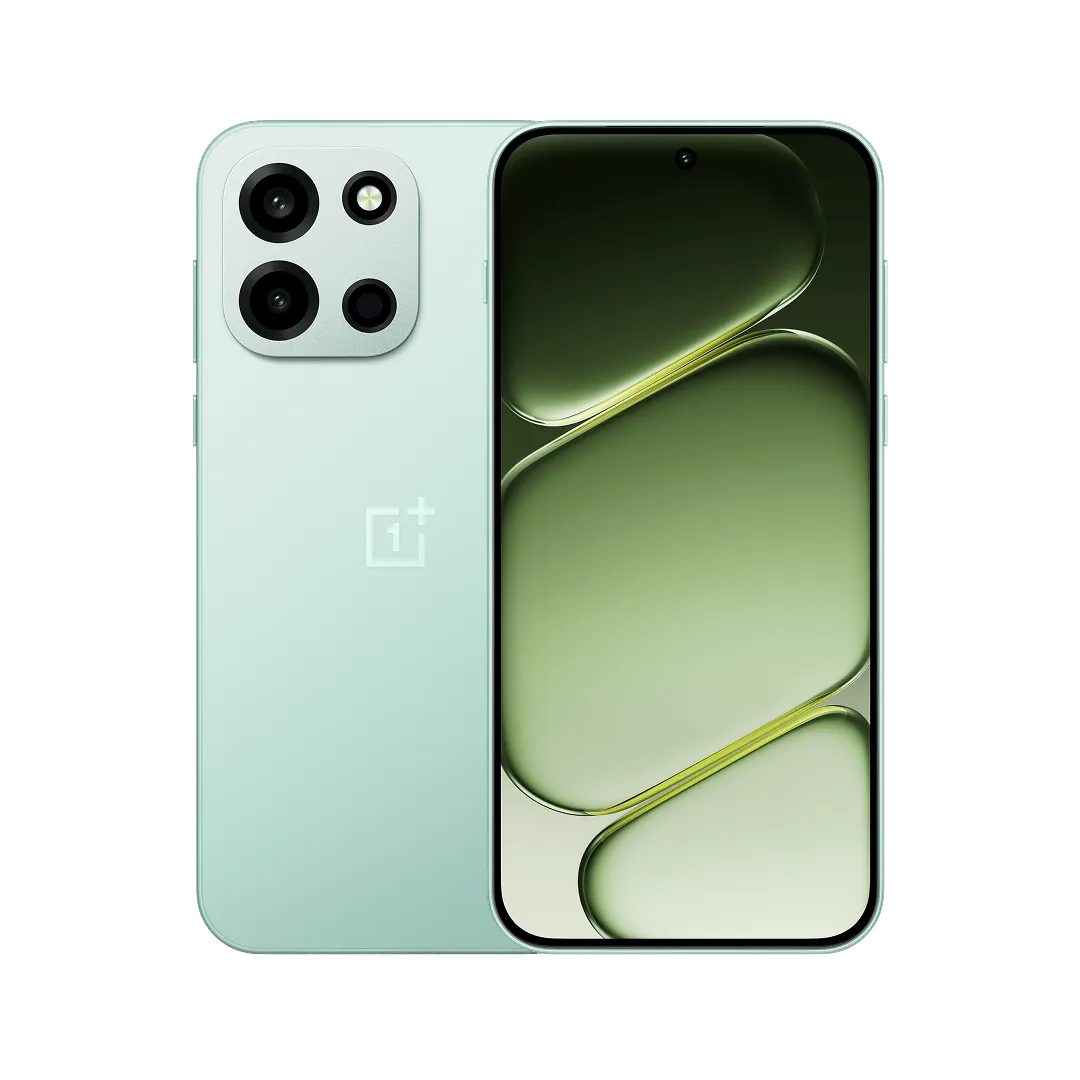
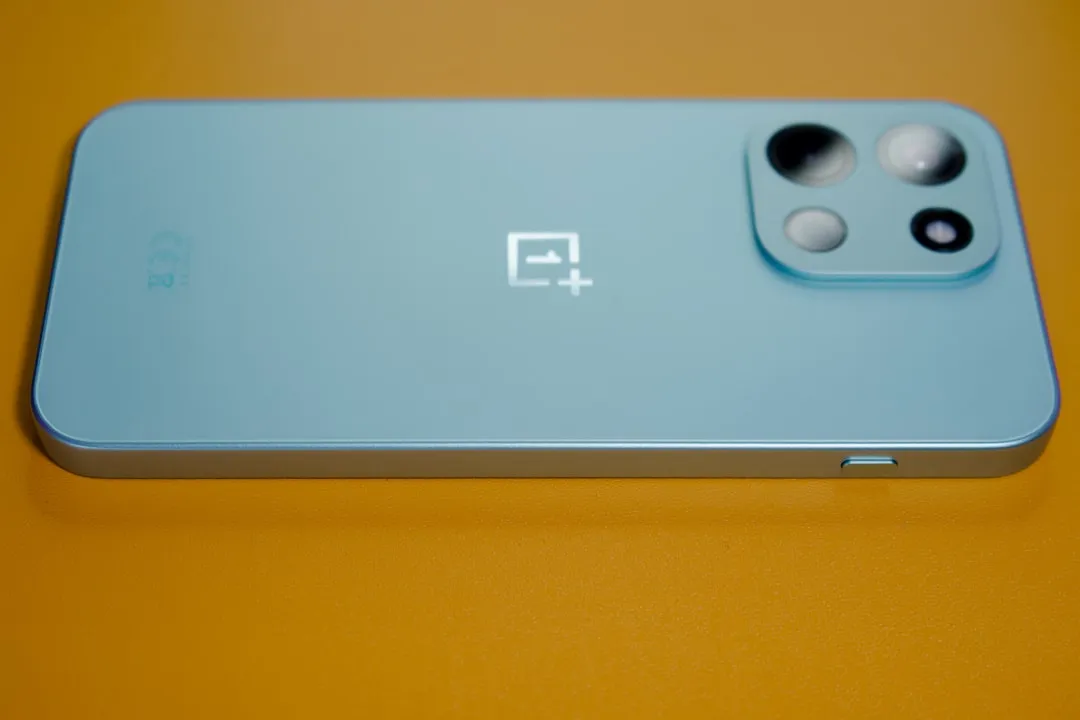
OnePlus is launching a phone that can survive a blast from a high-pressure industrial water jet, and it's charging more for the privilege. That's a meaningful shift in what a mid-range phone is being asked to prove. The Nord 6 launches in India on April 7 carrying IP66, IP68, IP69, and IP69K ratings, a combination found more often on factory equipment than consumer smartphones, plus MIL-STD-810H testing that included repeated drops and submersion in detergent-mixed hot water, FoneArena and Times of India reported on March 31.
The base model is rumored to start around Rs 35,000, roughly Rs 3,000–5,000 above where the previous Nord launched, Indian Express reported on March 31. That price gap is the editorial question in concrete form: will buyers pay more specifically because a phone is harder to break?
This piece examines what the OnePlus Nord 6 durability features actually cover, what they leave out, and whether the overall package makes a credible case for survival specs as a premium selling point. All claims originate from OnePlus pre-launch materials and launch-cycle press coverage. No independent hands-on testing has been published ahead of the April 7 event.
Why durability is finally a mid-range argument
For most of the smartphone era, physical toughness has been a flagship privilege. The gap wasn't accidental. IP68 certification costs money to engineer, premium glass costs money to source, and military-grade drop testing costs money to run. Manufacturers spent those resources on devices where margins could absorb them, which meant buyers in the Rs 25,000–40,000 range got thinner warranties and thinner protection.
Two things have shifted that calculus. Phone replacement cycles have stretched considerably over the past few years as devices became more expensive across the board, leaving buyers holding the same hardware for three or four years rather than two. Repair costs have followed prices upward. A cracked flagship-tier display can run a significant fraction of what a mid-range device costs outright. The result is that durability, once a nice-to-have, now has a straightforward financial argument behind it, one that resonates particularly in price-sensitive markets like India.
The Nord 6 is the first OnePlus device to make durability the headline rather than a spec-sheet footnote. Whether the market responds will tell the rest of the industry something worth knowing.
OnePlus Nord 6 IP69K rating and water resistance: what the tests actually mean
Most mid-range phones that carry any water resistance stop at IP68, which certifies survival in still, fresh water up to 1.5 meters for 30 minutes. The Nord 6's IP69K rating is the significant addition: it covers exposure to high-pressure, high-temperature water jets at close range, a standard originally designed for industrial washdowns. That is what makes the detergent-filled hot water test coherent rather than theatrical. The IP66 rating adds resistance to powerful sustained jets from any direction, a scenario IP68 alone does not address, according to FoneArena and Times of India on March 31.
A note on the detergent test: some coverage has framed this loosely as a washing-machine test. The published standard covers exposure to detergent-filled hot water, not immersion in a running appliance cycle. Those are meaningfully different conditions. The former is a controlled lab stress test; the latter is not what was tested or claimed.
The four ratings together test overlapping but distinct failure scenarios, not a single escalating scale. Having all four means the device was evaluated across multiple stress conditions rather than optimized for the most marketable one. For a buyer, the practical translation is straightforward: rain, spills, brief submersion, and forceful spray are all covered. Saltwater and repeated long-term immersion are not what these standards test for.
The front glass carries OnePlus's Crystal Guard Glass, which the company says performs comparably to Corning Gorilla Glass Victus+ for drop and scratch resistance, a tier normally found on phones well above this price band, per Indian Express and Times of India on March 31. This is a manufacturer comparison, not an independently validated result.
The hard limits buyers need to know:
IP ratings are conducted in controlled lab conditions using clean fresh water
MIL-STD-810H is self-certifiable: manufacturers design and run their own test protocols and report the outcomes
The Crystal Guard Glass comparison to Gorilla Glass Victus+ originates entirely with OnePlus
Regardless of IP rating, most manufacturer warranties do not cover liquid damage
The certifications tell you the phone was built to a higher standard. They do not guarantee it survives everything, or that OnePlus will replace it if it doesn't.
OnePlus Nord 6 military-grade durability: what MIL-STD-810H does and doesn't prove
MIL-STD-810H is a genuine standard with genuine tests. It covers repeated drop scenarios, temperature extremes, and exposure to contaminants including detergent-mixed water, all of which OnePlus says the Nord 6 underwent, per FoneArena and Times of India on March 31.
The catch is structural. Unlike IP ratings, which require third-party laboratory certification, MIL-STD-810H compliance is self-declared. Manufacturers choose which test methods to apply, design the test protocols, run them internally, and report the results. There is no external auditor signing off. That does not make the testing meaningless. A company that runs these tests seriously and documents the results is doing something real. It does mean "MIL-STD-810H certified" is a manufacturer assertion rather than an independent finding. Reviewers with drop-test rigs and pressure washers will provide the first external data point after April 7.
Battery and performance: the endurance case
The 9,000mAh silicon-carbon battery is the spec that ties the durability pitch to everyday use. It sits among the largest cells in any current mainstream Android phone. Indian Express reports a full charge in 70 minutes with support for 27W reverse wired charging. A retail box leak via ProPakistani on March 20 listed 80W input charging, a figure that would better explain the 70-minute claim but has not been officially confirmed. Treat the charge time as a company assertion; the wattage remains unresolved.
The Snapdragon 8s Gen 4 powers the device, one tier below flagship and the same silicon found in the Poco F7, paired with a 165Hz OLED display running 1,800 nits peak brightness and dropping to 2 nits for late-night use. OnePlus claims sustained peak gaming performance for a continuous hour, which it calls a segment first, per Indian Express on March 31. The panel spec is confirmed; the sustained-performance claim is manufacturer-asserted and will face scrutiny from reviewers.
Taken together, the durability certifications and battery scale point at a specific buyer: someone who uses their phone hard and long. Commuters grinding through hours of transit. Travelers without reliable power. People who work in environments where a phone gets knocked around. The pitch is not for someone who is careful with their device. It is for someone who has stopped being careful because they have given up expecting the hardware to hold up.
The camera and software complete the picture without redefining it. A 50MP Sony main sensor with dual-axis OIS, an 8MP ultrawide, and a 32MP front camera with 4K/60fps video capability are competitive for this price band, FoneArena and Indian Express confirmed on March 31. OxygenOS 16 on Android 16 ships out of the box. Their presence matters for one specific reason: a rugged-leaning phone that made visible tradeoffs in imaging or software would undercut the core argument OnePlus is making, which is that buyers don't have to give anything up to get a harder phone.
What the price increase is actually testing
No official price has been confirmed. That comes April 7. Pre-launch reporting from Indian Express on March 31 places the base variant at roughly Rs 35,000, up from where the Nord 5 started. If accurate, that gap is the market thesis made tangible: how much will buyers in this segment pay specifically for a harder phone?
The Nord 6 is attempting something the category hasn't cleanly done before: attaching the certifications that define rugged-niche devices, IP69K water resistance, MIL-STD-810H testing, high-resistance glass, to a phone built around a flagship-adjacent chipset and a high-refresh OLED display. Traditional rugged phones make explicit design tradeoffs; they tend to be thick, heavy, and utilitarian. The available pre-launch materials contain no weight or dimension data for the Nord 6, so whether OnePlus has managed to sidestep those tradeoffs is genuinely unknown ahead of hands-on coverage.
What the company is clearly signaling: it believes durability can function as a premium feature in the mid-range segment, the same way camera systems and processing power have. Whether that lands with buyers depends on the confirmed price on April 7 and, shortly after, on independent reviews that will put the claimed certifications against real conditions.
The honest verdict before launch
The Nord 6's durability credentials are real in a documented sense. IP66, IP68, IP69, and IP69K ratings plus MIL-STD-810H testing against repeated drops and detergent-filled hot water are established standards, and carrying all of them on a mid-range phone is unusual, FoneArena confirmed on March 31. What they guarantee in practice is narrower than the marketing implies.
Every piece of evidence here originates with OnePlus. The charging wattage is unconfirmed, the Crystal Guard Glass comparison is self-reported, and the MIL-STD-810H testing was designed and executed by the manufacturer, per Indian Express on March 31 and ProPakistani on March 20. Independent testing after April 7 will be the first real stress test, of the phone and of the pitch.
The question the Nord 6 raises extends well beyond this single device. If a mid-range phone sells well primarily because it's hard to break, it will pressure competitors to treat durability as a headline specification rather than a spec-sheet footnote. That answer starts April 7.



Comments
Be the first, drop a comment!