





OnePlus Gaming Handheld Rumor vs. Turbo Series: What's Real
A rumor placing OnePlus in the handheld gaming console market has circulated widely enough to reach mainstream tech coverage. The problem: the only confirmed development from OnePlus is a pair of gaming smartphones. For anyone trying to read the company's actual 2026 roadmap, that distinction matters.
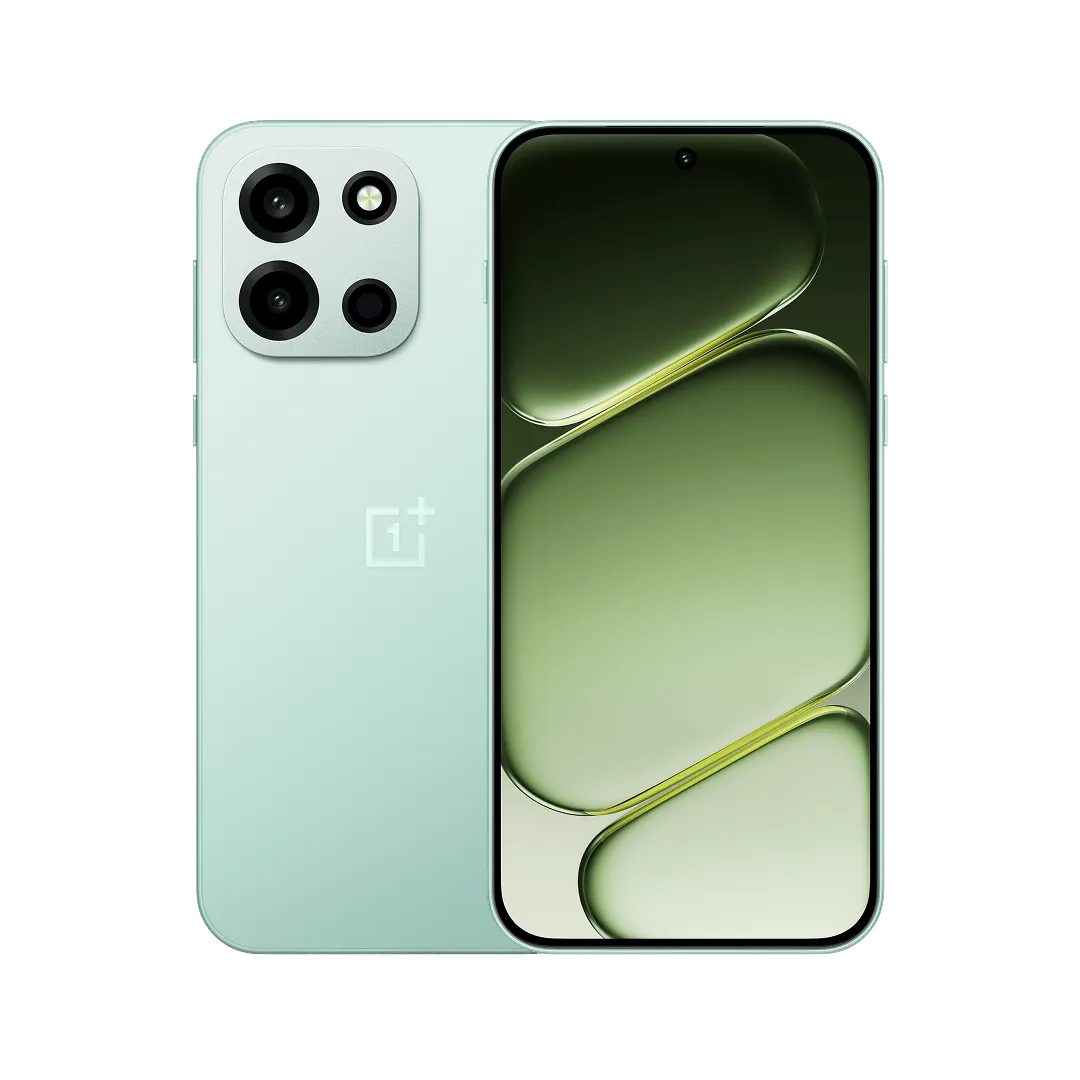
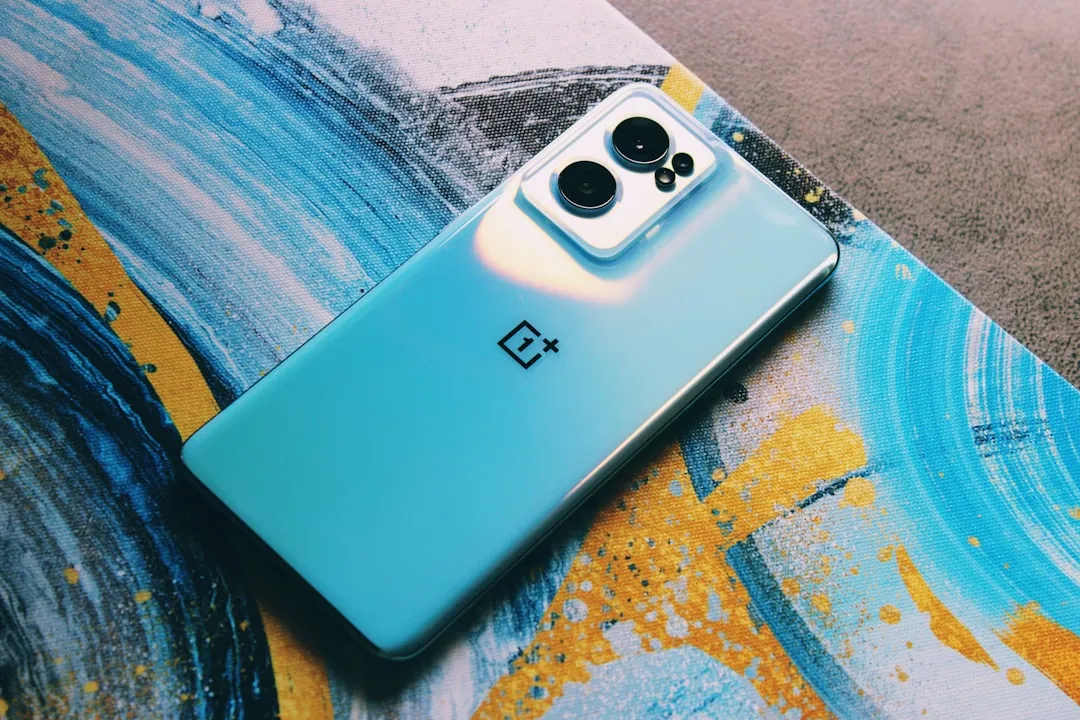
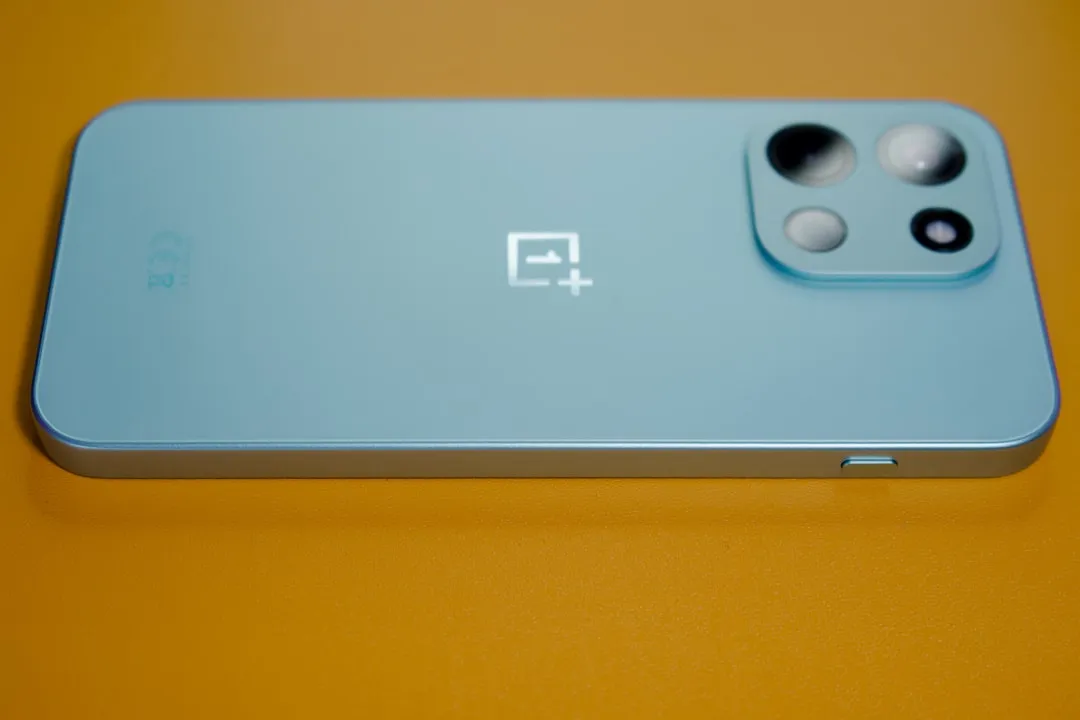
The confirmed story is the OnePlus Turbo Series. Three months ago, in December 2025, executive Li Jie Louis announced the lineup on Weibo at the company's 12th anniversary event, describing it as a new series that would "lead the strongest battery life in its class, and deliver an unprecedented gaming experience in its price range," per 9to5Google. Leak reporting cited by 9to5Google suggests two large-screen phones with batteries around 9,000 mAh, one model in testing with Snapdragon 8 Gen 5 or MediaTek Dimensity 9500e, and a presumably lower-cost variant using Snapdragon 8S Gen 4 or MediaTek Dimensity 8500.
That is the documented record. The OnePlus gaming handheld rumor is an inference layered on top of it, not a separate product leak. What follows is an audit of that rumor against what 9to5Google's reporting actually confirms, and an explanation of what the Turbo strategy genuinely signals. Those are related but distinct questions, and most coverage has blurred them.
Why the OnePlus gaming handheld rumor isn't supported by the cited reporting
The December 2025 9to5Google report that covers the Turbo announcement, the Weibo post from Li Jie Louis, and the leaked phone specs does not mention a portable gaming device, controller hardware, or a non-phone form factor anywhere. The gaming handheld story, as it has circulated, is not drawn from that reporting. It appears to be an extrapolation from OnePlus's stated gaming ambitions, mistaken for a product leak.
That distinction carries real weight for readers making buying or coverage decisions. A rumor grounded in a supply-chain photograph or a regulatory filing belongs in a different category than one built on a company's strategic positioning language. The first is evidence. The second is plausible speculation, and treating them the same misleads people.
The December reporting makes clear that Li Jie Louis's Weibo post referenced plans to "continue to explore the upper limits of gaming performance" in 2026, per 9to5Google. Read in full context, that language refers to the Turbo smartphone lineup. Ambitious forward-looking phrasing from an executive Weibo post is exactly the kind of signal that, without corroboration, gets stretched into product rumors covering adjacent hardware categories.
The signals that would actually indicate a handheld device in development are concrete and specific: regulatory certification filings covering a device category outside standard smartphones, supply-chain reporting on controller ergonomics or detachable input hardware, or hardware benchmark entries with form-factor characteristics inconsistent with a phone profile. The cited reporting documents none of those. Until that kind of sourcing surfaces, the OnePlus portable gaming device story stays in the speculation column.
What the Turbo series actually signals about OnePlus's strategy
Set the handheld noise aside, and the Turbo announcement is the most significant thing happening here. OnePlus has been "betting pretty heavily on mobile gaming in the past few years," as 9to5Google noted in December 2025. The Turbo Series is a different kind of statement from that ongoing trend: a publicly confirmed, named lineup built explicitly around gaming performance, announced at a milestone anniversary event. That is a commitment with product implications. It is not a spec-sheet footnote.
The Turbo branding itself is confirmed by OnePlus via the Weibo post. The battery and chipset details come from leak reporting cited by 9to5Google, and should be read accordingly. But those leaked details still tell a coherent story.
Two phones. Both with batteries around 9,000 mAh, per the leak reporting. That figure sits well outside typical flagship territory, where most phones in 2025 shipped with cells between 5,000 and 6,000 mAh. Building a gaming phone around a 9,000 mAh battery is a direct message to players who run long sessions and treat battery anxiety as a real obstacle. Li Jie Louis said as much in the Weibo post: the Turbo line will "lead the strongest battery life in its class." This is not a performance-first device where battery life is an afterthought. It is positioned as the primary feature pairing.
The chipset split adds another layer. One model in testing with flagship-tier silicon, Snapdragon 8 Gen 5 or Dimensity 9500e. Another reportedly using Snapdragon 8S Gen 4 or Dimensity 8500. Two price points within the same lineup, per the leaked specs. OnePlus is not building a single halo product; it appears to be building range within the Turbo name from the start.
The pricing language from Li Jie Louis reinforces this. "An unprecedented gaming experience in its price range" is careful wording. OnePlus is not positioning Turbo against the ASUS ROG Phone at the premium end of the enthusiast market. It is targeting accessible gaming performance, the same crowded but large segment where Redmi and Poco have already built strong followings. The combination of battery spec, dual chipset tiers, and mid-range pricing language points to a coherent strategy: OnePlus sees a mainstream gaming audience not being fully served by generic flagships or expensive enthusiast hardware, and it is building dedicated hardware to compete for that audience.
A gaming handheld would be a different bet entirely. Different form factor, different software requirements, a different manufacturing investment from a company that, as of the current reporting, is focused on the phone side of gaming. There is nothing in the cited reporting that bridges the Turbo strategy to a portable console product.
What OnePlus watchers should expect from here
For buyers and followers tracking the OnePlus roadmap, the near-term picture is gaming smartphones. The Turbo Series is confirmed. Global availability is not. As of the December 2025 announcement, there was no word on whether these devices would launch outside China, per 9to5Google. Anyone outside China should not count a Turbo phone in their plans without further confirmation.
A gaming handheld from OnePlus, over a longer horizon, is not implausible. OnePlus has been building its gaming credibility in the phone space for several years, the Turbo name gives it a gaming identity to build on, and the BBK and Oppo supply chain has the manufacturing depth to support new hardware categories. But plausible-in-principle and actively-in-development are different claims, and the current reporting does not support the latter.
There is a pattern worth understanding here. When a company announces a focused strategic direction, surrounding coverage tends to extrapolate aggressively into adjacent categories. The more useful question is not whether OnePlus could enter the handheld market; most large OEMs with gaming credibility could. The useful question is what early evidence of that would actually look like. Regulatory filings, supply-chain corroboration, and hardware leaks with specific form-factor details are the signals that matter. Strategy announcements and Weibo posts are not.
The next meaningful update on this story will be official launch details for the Turbo phones, not recycled handheld speculation.
Where this leaves the story
OnePlus's gaming pivot is confirmed and worth taking seriously. The Turbo Series, with its gaming-first branding, leaked 9,000 mAh batteries, and two-tier chipset structure, is the clearest signal yet that gaming is a named product priority at the company, not just a marketing claim, per the December 2025 announcement. That is the actual news.
The OnePlus gaming handheld rumor, as of this week, has no documented sourcing in the reporting record this article evaluates. It is a reasonable inference from a real strategy shift. But that is exactly what makes it worth being precise about: the inference is reasonable enough to sound credible, and that is how unsourced rumors get treated like confirmed products.
OnePlus committed publicly to pushing gaming performance further through 2026. If the Turbo phones reach global markets and build an audience, the infrastructure for a broader gaming hardware ecosystem becomes more plausible over time. That story may be worth following. Follow the supply chain to find it.





Comments
Be the first, drop a comment!