



Why OnePlus Phones Are Disappearing from Best Buy Stores
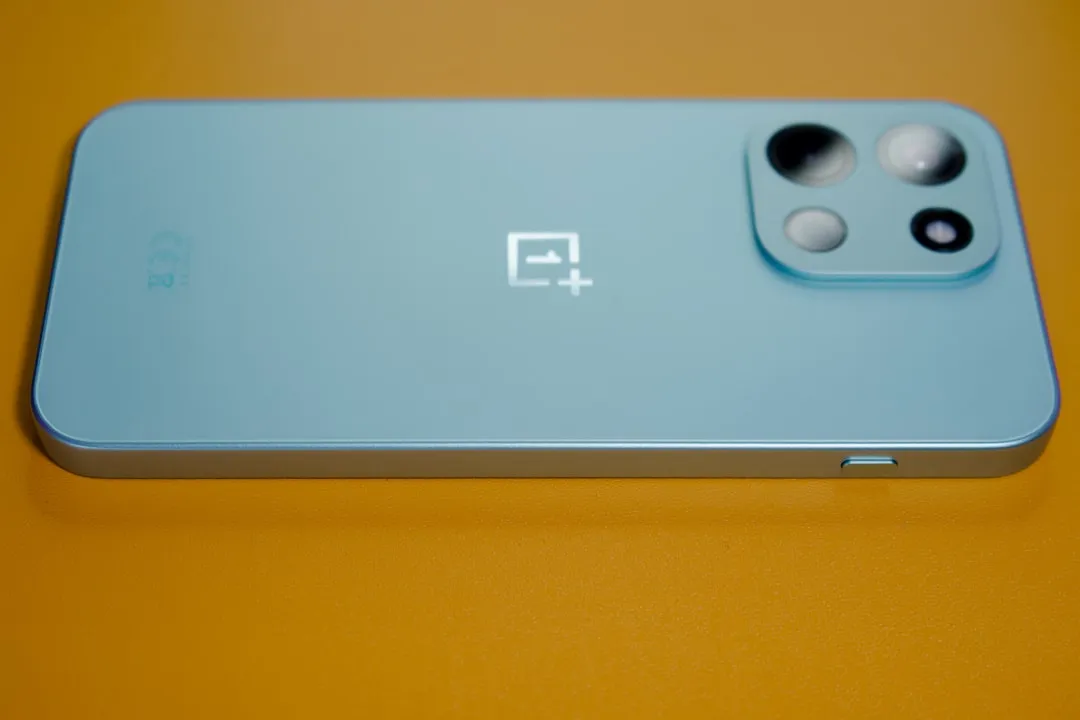
Android Authority's Stephen Schenck visited a Best Buy this week and found no OnePlus phones on display. A store associate confirmed the devices had recently been pulled from that floor space, Android Authority reported today. Multiple Reddit users reported the same pattern at their own locations, with Nothing phones appearing in the slots where OnePlus units used to sit.
This is not a delisting. OnePlus phones remain available for purchase on Best Buy's website and can be picked up in-store at the same locations where the display units are now gone, per Android Authority. But the demo floor is where unfamiliar buyers make decisions. A phone that can't be touched has lost its most effective sales tool.
The removals raise new questions about where OnePlus stands in US retail, particularly after the company told PCMag three weeks ago that it is "evaluating its regional roadmap and product strategy" in North America. Whether the demo removals signal a broader shift or a temporary merchandising adjustment is not confirmed. What is confirmed: the observations are real, they span multiple locations, and Nothing phones have taken the shelf space.
Best Buy removes OnePlus demo units but not from sale
For a brand without Samsung's name recognition or Apple's gravitational pull, physical demo space isn't a nice-to-have. It's the entire pitch.
A shopper who can hold a OnePlus phone, test the screen, and feel the build quality is far more likely to buy one than someone scrolling past a spec sheet online. Without that tactile moment, the brand competes on price and name recognition alone, two areas where OnePlus has considerably less to work with than its main rivals. The comparison shopping that happens between a OnePlus handset and a Galaxy sitting two feet away on the same shelf is exactly the kind of low-friction conversion that drives units in a physical store. Take the unit away and that opportunity disappears.
What the current evidence actually shows is narrower than the headline suggests. Reports come from a handful of Best Buy locations, not a verified chain-wide directive. Reddit user Exodia101 noticed all OnePlus phones had been removed from their local store's display areas, according to Android Authority. Schenck's own visit confirmed the same at his location. That's consistent, but it's still a limited sample. Whether Best Buy issued a national planogram change, a regional merchandising update, or whether individual stores are making their own calls remains unclear. Neither Best Buy nor OnePlus has addressed the demo situation directly.
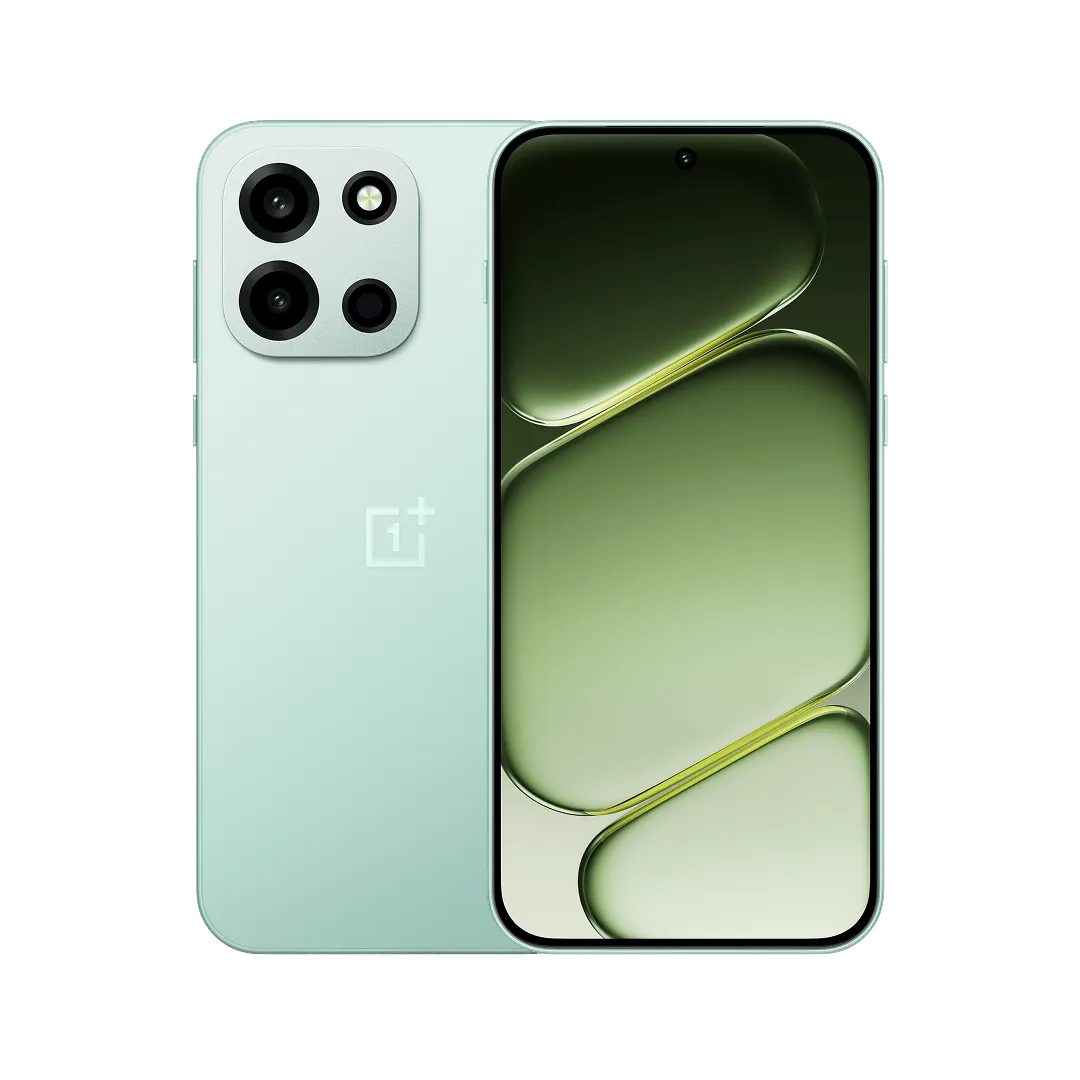
What's also notable is that the floor presence appeared to be degrading before units were pulled entirely. At a Southern California Best Buy, Reddit user FenderBass1994 reported a OnePlus 15R still on display but not powered on, leaving shoppers with nothing to interact with, as Android Authority noted today. At another location, Reddit user PoisonWaffle3 found that the display card for the OnePlus 15 omitted the phone's battery capacity, one of its stronger selling points, per the same report. A dead demo unit and a spec card missing key numbers don't look like accidents of store operations. They look like a shelf presence that wasn't being actively maintained, though the cause isn't confirmed.
A missed holiday window and the FCC backlog that preceded it
The context that makes the demo removals worth examining more closely starts a few months back.
The OnePlus 15 arrived in US stores only days before the 2025 holiday window closed, having already been on sale in China and India for roughly a month, PCMag reported three weeks ago. The delay wasn't a marketing misstep. FCC certification for the OnePlus 15 got caught in a government shutdown backlog, which held up approvals and pushed the US launch past any realistic holiday opportunity, per PCMag.
The result was a flagship that entered the US market without seasonal momentum, a month behind comparable devices that launched on time elsewhere. As a general retail principle, floor space tends to follow sell-through: devices that don't generate traction get displaced by ones that might. Whether that's the specific mechanism behind Best Buy's shelf changes is inference, not a confirmed statement from either company. But the sequence fits. A late-arriving flagship with limited holiday exposure is a harder case for premium floor placement in the months that follow.
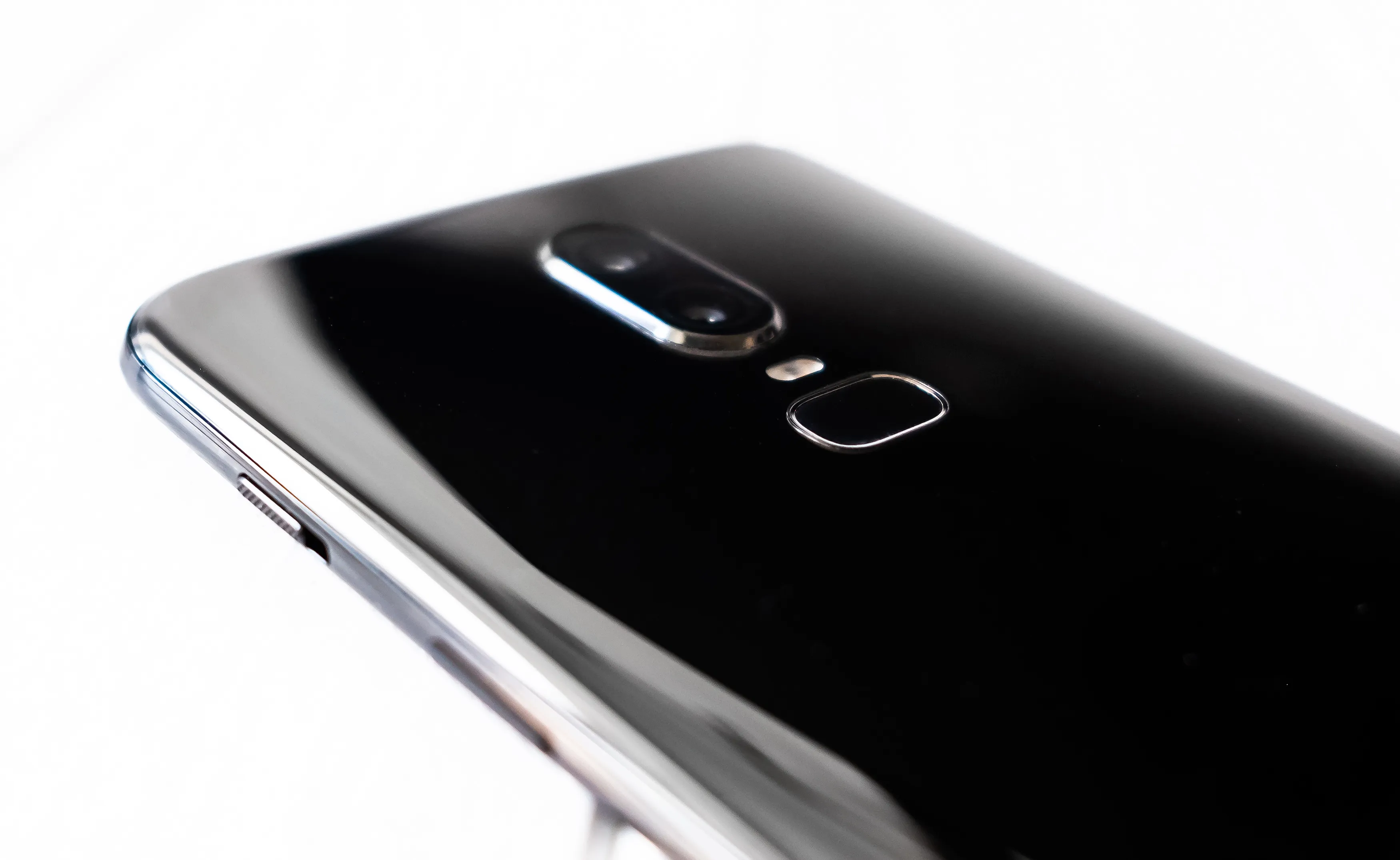
The hardware itself isn't the issue. Recent OnePlus flagships shipped with 16GB of RAM and close to 100W fast charging, PCMag noted. Those are genuinely competitive specifications, the kind that make a strong impression when someone actually gets to use the device. The problem, if the current pattern holds, is that OnePlus may be running out of places in US retail to demonstrate them.
OnePlus says it's still operating its statements tell two different stories
OnePlus pushed back directly against shutdown speculation. The company confirmed this week that its North American operation continues to run, with after-sales support, software updates, and user rights commitments fully in place, according to Android Authority.
A separate statement, issued three weeks earlier, is worth reading alongside that one. OnePlus said it is "evaluating its regional roadmap and product strategy" for North America, per PCMag. That language doesn't foreclose change; it says change is under active consideration. The two statements address different audiences without contradicting each other: one protects existing customers, the other says nothing about future ones.
That gap is where current and prospective buyers sit differently. For anyone who already owns a OnePlus device, the support guarantee is clear and credible. Four years of software updates and five years of security patches remain committed, PCMag reported three weeks ago. Buying a OnePlus phone right now is not the same as buying from a brand that has gone quiet.
For anyone considering buying in, the picture is less settled. The company has made no equivalent promise about whether new US devices will arrive on time, receive retail demo placement, or be sold through Best Buy at all going forward. Those questions are open. The "roadmap evaluation" language keeps them open deliberately.
OnePlus replaced by Nothing phones at Best Buy: what to watch next
The clearest thing to take from today's reporting: demo units are gone or non-functional at multiple Best Buy locations, display materials appeared to slip before the removals, and Nothing phones now occupy shelf space that OnePlus recently held, per Android Authority. That pattern is consistent across independent observations from different cities. It may point toward a contracting retail presence. It may also reflect a temporary shelf reset ahead of a new product cycle. The evidence doesn't resolve that question.
Three developments would clarify things quickly. First, whether Best Buy continues carrying OnePlus devices for purchase as current inventory cycles through, or whether online availability also starts to thin. Second, whether any future OnePlus US launch receives retail demo placement from the day it goes on sale, rather than arriving weeks late with no holiday window to catch. Third, whether the company's "roadmap evaluation" produces a formal announcement about North American distribution, or simply goes quiet.
The Nothing phones now sitting in those display slots are an interesting detail on their own. Nothing and OnePlus share a common ancestor in OPPO's parent company BBK Electronics, though they operate as separate brands with separate strategies. Nothing has been building US retail visibility while OnePlus's has reportedly been declining. Whether that's coordination, coincidence, or simply Best Buy filling shelf space with whatever moves is another unanswered question. But it adds texture to what might otherwise look like a routine merchandising shuffle.
Until OnePlus or Best Buy says something on the record, the honest read is this: something has changed at the shelf level, the timing is hard to separate from OnePlus's broader North American uncertainty, and the brand's US trajectory is genuinely unclear.



Comments
Be the first, drop a comment!