






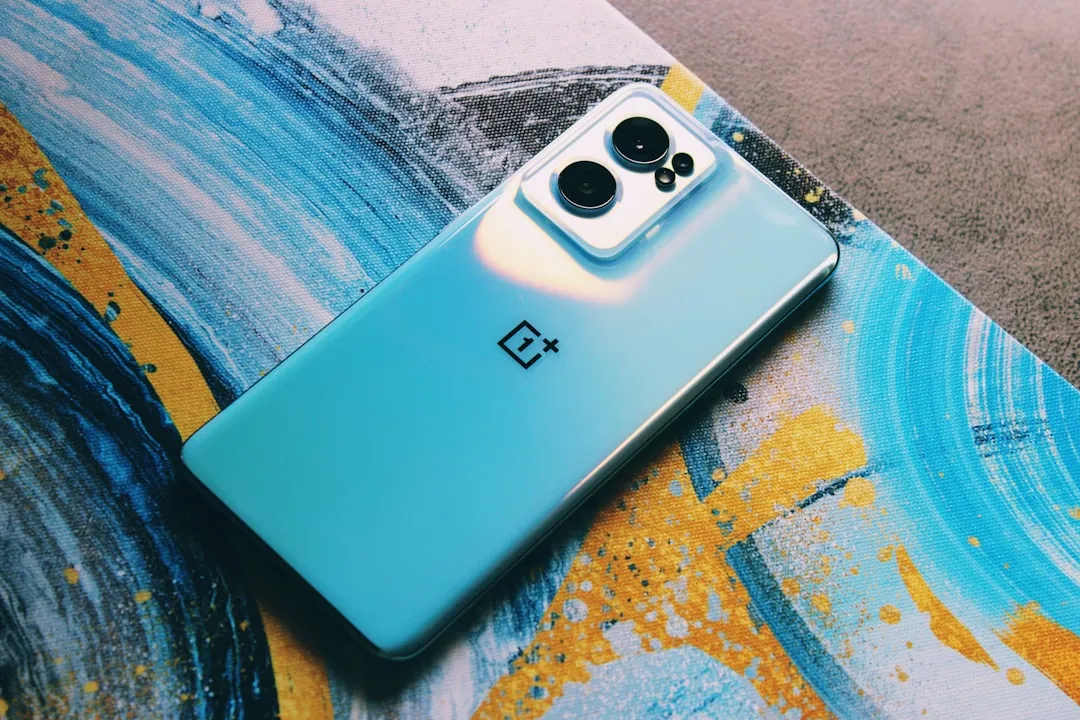
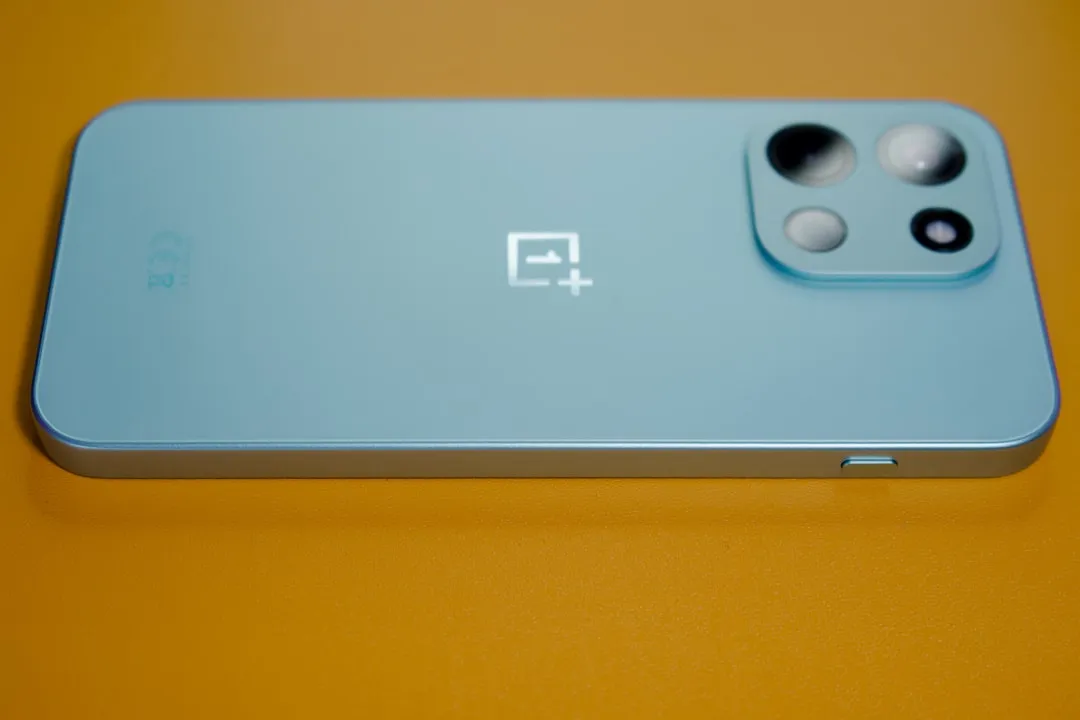
The smartphone industry just received a wake-up call that challenges everything we thought we knew about the fundamental trade-offs in mobile design. OnePlus has officially confirmed that their upcoming 15T will feature a massive 7,500mAh battery packed into what they're calling a "compact" design – and the leaked specs suggest they've actually pulled it off.
Here's what makes this announcement genuinely groundbreaking: the 15T reportedly weighs just 194 grams despite housing nearly double the battery capacity of most current flagships. This isn't just an incremental improvement – it represents a significant engineering improvement in smartphone engineering that could redefine what consumers expect from compact devices.
The silicon-carbon revolution that makes it possible
The engineering achievement behind the OnePlus 15T centers on silicon-carbon battery technology, which enables dramatically higher energy density without the typical weight penalties. Think of it like the difference between packing a suitcase with rolled clothes versus folded ones – you're fitting significantly more power into the same physical space.
What makes this particularly impressive is the thermal management solution OnePlus has engineered around this massive battery. Ultra-narrow bezels measuring just 1.xx mm on all sides aren't just aesthetic choices – they serve as functional may assist thermal distribution that become critical when managing this much energy storage in a compact form factor.
The silicon-carbon technology directly addresses the heat challenge that comes with higher energy density. Traditional lithium-ion batteries generate more heat as capacity increases, but silicon-carbon chemistry operates more efficiently, producing less thermal buildup during charging and discharging cycles. This efficiency gain is what enables OnePlus to pair the massive battery with up to 100W wired charging without turning your phone into a hand warmer.
The thermal management integration becomes even more crucial when you consider the Snapdragon 8 Elite Gen 5 chipset generating additional heat during intensive tasks. The ultra-narrow bezels create more surface area for heat dissipation while the silicon-carbon battery chemistry reduces thermal load – a complementary engineering approach that makes the entire system viable.
Real-world impact: Beyond the spec sheet
The practical implications of a 7,500mAh battery extend far beyond just lasting longer between charges. Reports suggest the OnePlus 15T could deliver up to two days of moderate use, which fundamentally changes how we interact with our smartphones daily.
Consider the ripple effects: that familiar anxiety when your phone hits 20% becomes obsolete. Weekend trips no longer require packing portable battery packs. The mental bandwidth currently devoted to charging logistics gets freed up for more productive concerns. These aren't just convenience improvements – they represent a shift in the relationship between users and their devices.
The 100W charging support becomes particularly strategic with this capacity. While a 7,500mAh battery would traditionally mean extended charging times, the high wattage capability should deliver roughly 50% charge in about 15-20 minutes. This creates a usage pattern where even brief charging sessions provide meaningful battery life extensions, reducing the psychological pressure to keep devices tethered to outlets.
For professionals who rely heavily on their smartphones, the 15T could eliminate the need for desk-based charging stations or constant cable management. The 6.3-inch flat OLED display with 165Hz refresh rate means you'll actually want to use all that screen time the massive battery provides, whether for extended work sessions or entertainment consumption.
Competitive positioning: Rewriting compact flagship rules
The OnePlus 15T's specifications create immediate pressure across the compact smartphone segment. At 194 grams, it undercuts the iPhone 16 Pro Max's 227-gram weight while potentially delivering superior battery life – a combination that directly challenges Apple's premium positioning strategy.
The competitive advantage becomes even more pronounced when comparing against Android rivals. The 15T's 7,500mAh capacity would exceed the Xiaomi 17's 7,000mAh setup while maintaining the same 6.3-inch screen size, positioning OnePlus as the capacity leader in the compact flagship space.
The comprehensive flagship treatment reinforces this competitive position. Configuration options starting at 12GB RAM and 256GB UFS 4.1 storage, topping out at 16GB RAM and 1TB ensure the 15T can compete on multitasking performance, not just battery endurance. This addresses the traditional weakness of compact phones – the assumption that smaller size means compromised capabilities.
The dual camera setup featuring a 50MP main sensor plus periscope telephoto lens rounds out the flagship experience, though the notable absence of an ultrawide lens suggests OnePlus made conscious trade-offs to achieve the compact form factor. This focused approach – prioritizing the most-used camera features while optimizing for size and battery – reflects sophisticated market understanding.
Industry implications: The new baseline for smartphone design
The OnePlus 15T's achievement signals a potential paradigm shift in how manufacturers approach the size-versus-performance equation. If silicon-carbon technology can deliver 7,500mAh capacity in a sub-200-gram package, it establishes new baseline expectations for what compact flagship smartphones should provide.
This breakthrough arrives at a strategically important moment. Consumer surveys consistently rank battery life as the top smartphone priority, yet most manufacturers have focused on incremental improvements rather than fundamental chemistry advances. OnePlus's silicon-carbon implementation proves that dramatic capacity improvements are achievable within existing form factors.
The competitive response timeline becomes crucial for the broader industry. The device is expected to launch in China this month, with broader availability potentially coming in April 2026. If the 15T proves successful, competing manufacturers will face pressure to accelerate their own silicon-carbon battery adoption or risk falling behind on the newly established capacity standards.
Looking beyond immediate competitive dynamics, the 15T raises fascinating questions about larger smartphone possibilities. If 7,500mAh fits efficiently in a 6.3-inch device, what becomes achievable in traditional flagship-sized phones? We might be approaching an era where battery anxiety becomes genuinely obsolete across all smartphone categories, fundamentally changing app development priorities and user behavior patterns.
OnePlus executives have officially confirmed these battery improvements alongside enhanced heat management and design refinements, suggesting this isn't just a one-off innovation but part of a broader engineering philosophy shift.
The decision framework for your next smartphone
The OnePlus 15T represents more than just another smartphone launch – it's a proof of concept that compact flagship devices can compete directly with larger phones on battery performance while maintaining superior ergonomics. For consumers, this eliminates the traditional compromise between usability and endurance that has defined compact phone purchases for years.
This breakthrough becomes particularly relevant for professionals, frequent travelers, and anyone who prioritizes one-handed usability without sacrificing all-day reliability. The combination of flagship performance, extended battery life, and compact form factor creates a unique positioning that no current competitor matches.
Whether other manufacturers can quickly respond with similar silicon-carbon implementations will determine if this becomes an industry standard or remains a OnePlus differentiator. But regardless of competitive response speed, the 15T has demonstrated that the fundamental limitations we've accepted in compact smartphone design were more about engineering priorities than physics constraints – and that changes everything.





Comments
Be the first, drop a comment!