






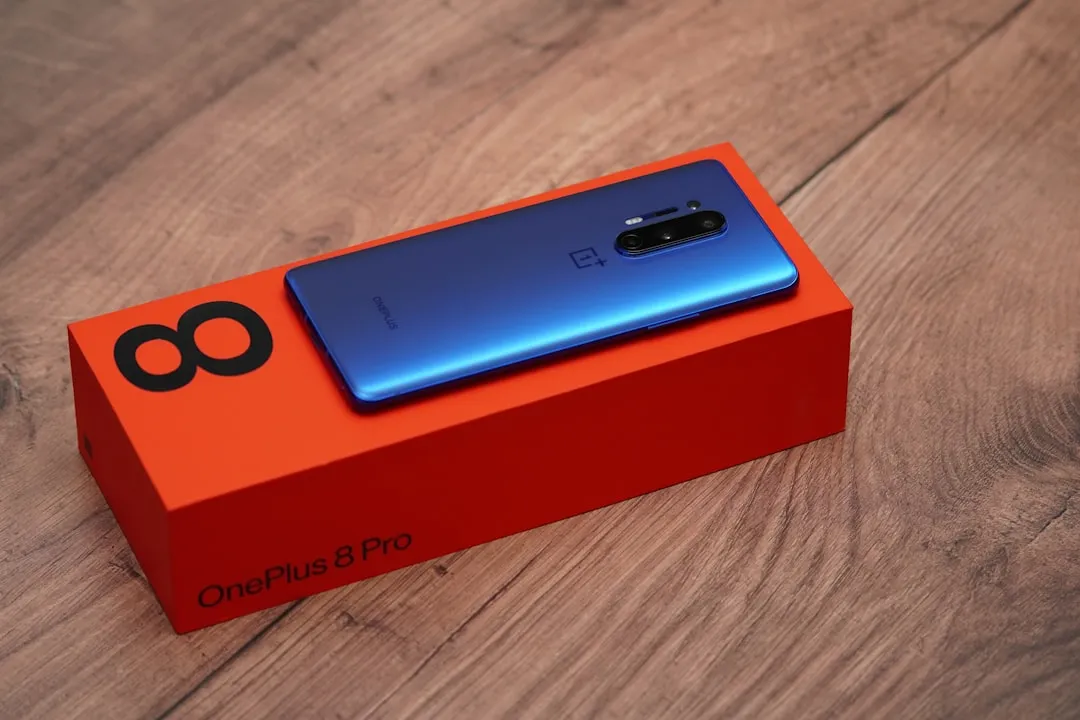
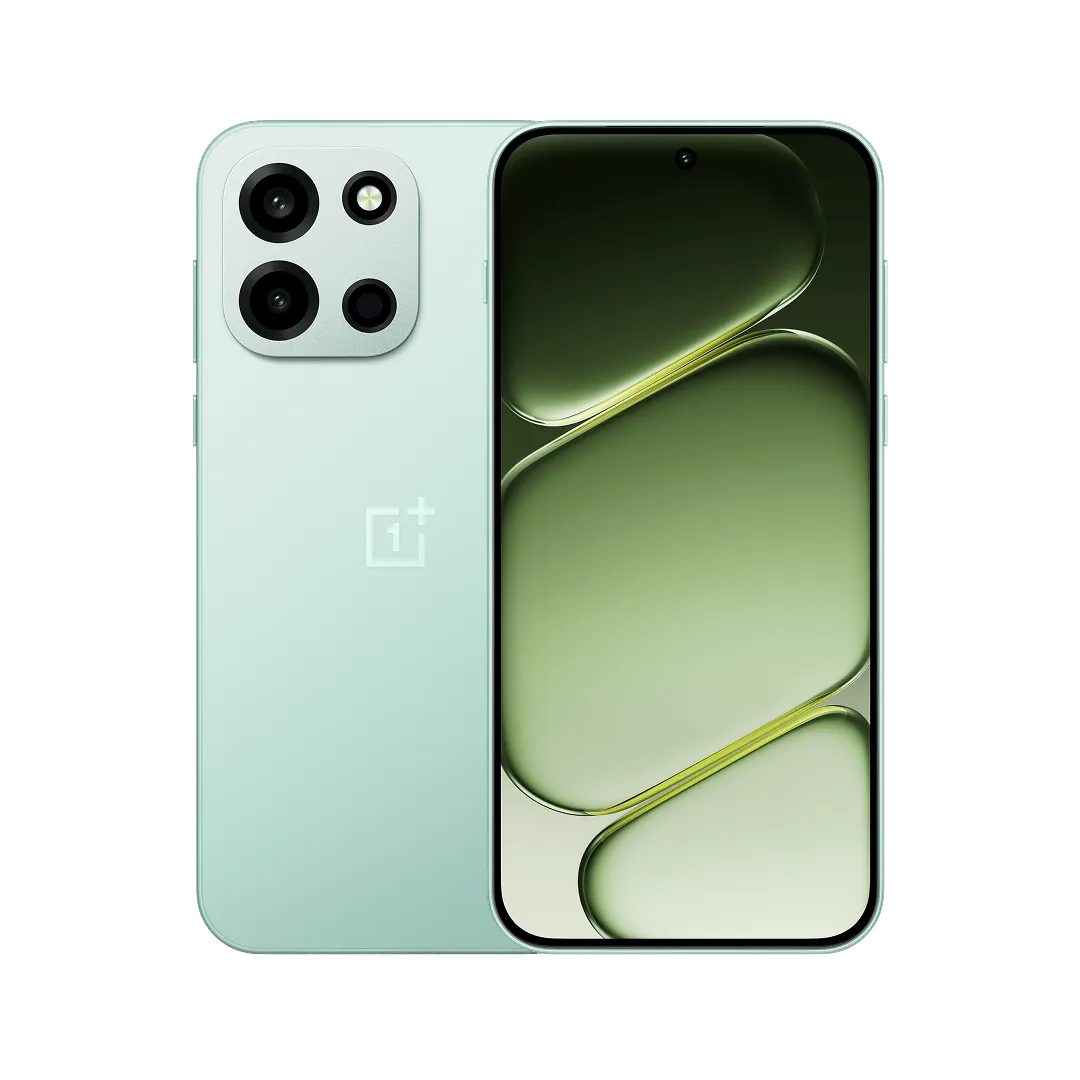
You know what's frustrating? When a company takes a beloved formula and breaks it for seemingly no good reason. That's exactly what's happened with the OnePlus 15R, and after spending quality time with this device, I can tell you it's a confused mess that abandons everything that made the R-series compelling in the first place.
The OnePlus 15R represents a fundamental strategic misstep—a phone that costs more while delivering less, positioned awkwardly in a market segment it doesn't understand. This isn't just about missing features; it's about OnePlus misreading what their customers actually want from an R-series device.
Let me acknowledge what OnePlus managed to get right here, because these strengths make the overall failure even more frustrating. The 15R is the first globally marketed smartphone to ship with Qualcomm's Snapdragon 8 Gen 5 SoC which delivers genuinely impressive performance credentials. Expert Reviews found that it outperformed the iPhone 16e by 21% in multi-core benchmarks, demonstrating real competitive strength against premium alternatives.
The battery situation is equally impressive on paper. At 7,400mAh, this is the largest battery OnePlus has ever shipped, exceeding even the flagship OnePlus 15's 7,300mAh capacity. The display maintains the premium 165Hz refresh rate found on the flagship, with support for 165Hz gameplay in compatible titles including Call of Duty, PUBG, and Real Racing 3.
These aren't minor improvements—they're legitimately flagship-caliber specs that should have made this phone a winner. Instead, they're overshadowed by baffling decisions that undermine the entire value proposition.
The camera downgrades that kill the deal
This is where OnePlus made decisions that fundamentally betray what R-series buyers expect. The 15R completely removes the telephoto camera that was present on the OnePlus 13R, representing not just a spec reduction but a philosophical abandonment of photographic versatility.
Think about the implications here. We're talking about a newer, more expensive phone that actually delivers less photographic capability than its predecessor. That's not smart cost-cutting—that's strategic confusion about what the R-series should represent.
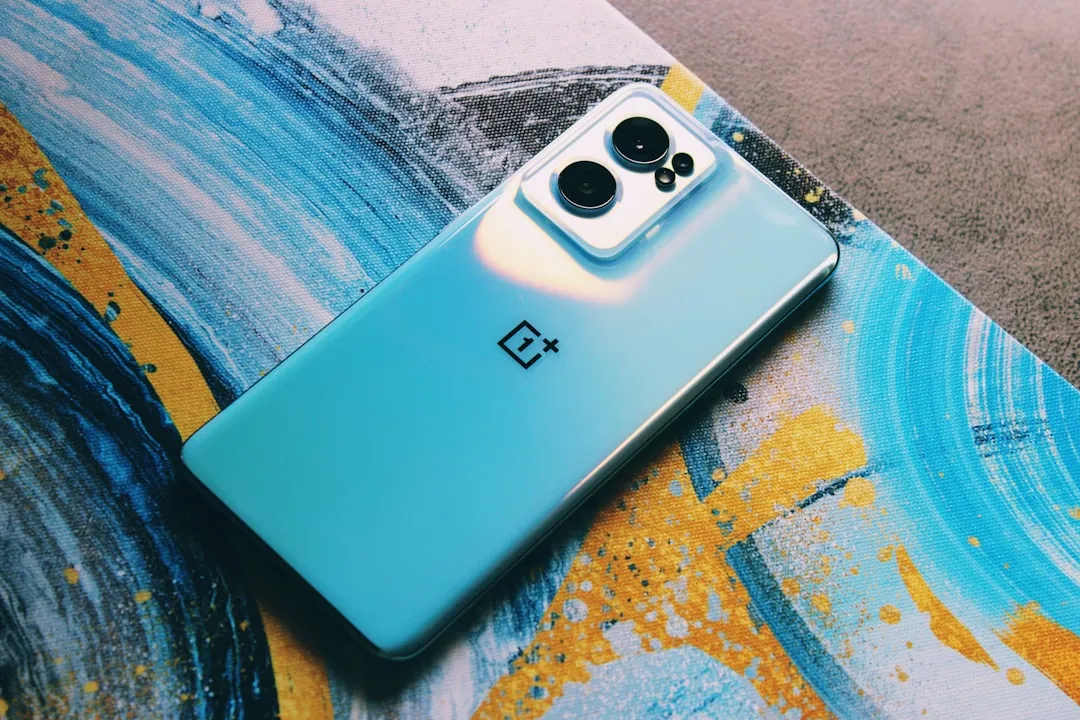
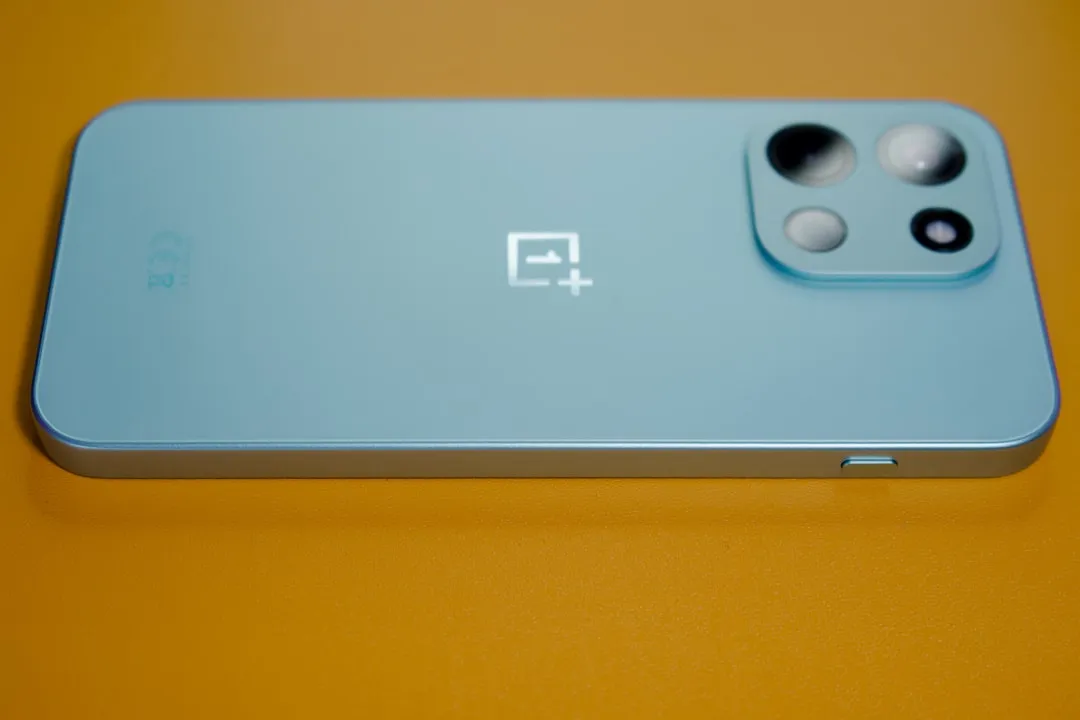
The remaining dual-camera setup compounds these concerns. While the main camera uses the same 50MP Sony IMX906 sensor as the flagship OnePlus 15, the ultrawide camera represents a major compromise, featuring just 8 megapixels compared to the more advanced 50-megapixel ultrawide found on the flagship model.
The real-world performance gaps are even more concerning for photography enthusiasts. The Verge notes that low light performance remains challenging, with images sometimes appearing overly bright and unnaturally saturated. Engadget confirms that the cameras struggle with shadow details in challenging lighting conditions.
For content creators, social media users, and photography hobbyists—core audiences for the R-series—these limitations aren't just disappointing specs. They're deal-breaking functional restrictions that affect daily usability.
Performance brilliance undermined by strategic positioning
The Snapdragon 8 Gen 5 chipset absolutely delivers on raw performance metrics. The gaming experience benefits significantly from both the high-end processor and the 165Hz display refresh rate. Android Central confirms that this display uses "the most flicker-free OLED we've ever seen," with a record-low modulation rate of under 10% and 3,840Hz PWM dimming—a significant health and comfort advantage over Samsung and Google's 480Hz PWM implementations.
But here's where OnePlus's strategy becomes problematic: exceptional performance specs don't exist in a vacuum. The Verge reports that the silicone carbon battery technology enabling the massive 7,400mAh capacity tends to degrade faster than standard lithium-ion batteries. While OnePlus claims the battery will retain 80% capacity through four years of use, this represents a potential long-term reliability concern that contradicts the "flagship performance at lower cost" promise.
Moreover, the performance advantages need to justify the compromises and pricing, which brings us to the fundamental strategic problem.
The pricing strategy that dooms market positioning
OnePlus has created a textbook example of pricing confusion with the 15R. At $699, the device occupies what The Verge accurately describes as "kind of a no-man's-land"—too expensive to compete with genuine mid-range alternatives, yet compromised enough to make flagship models seem like better value.
Consider the competitive landscape: at $699, you're paying significantly more than the $499 Google Pixel 9a or $599 iPhone 16e, both of which offer more complete feature sets for their respective ecosystems. You're also paying just $200 less than the OnePlus 15, but as Tom's Guide notes, "it's not by as much" savings as previous R-series devices offered.
The international pricing reveals even more strategic confusion. In India, the 13R launched at ₹39,999 compared to the 15R's expected ₹47,000 price point. That's a substantial premium for a device that removes telephoto photography capabilities while adding features that many users won't fully utilize.
This pricing approach fundamentally misunderstands the R-series value proposition. These devices succeeded by offering smart compromises that preserved core functionality while reducing costs. The 15R reverses this formula—it removes core functionality while increasing costs for performance benefits that don't address everyday user priorities.
Why the OnePlus 13R represents superior value logic
The mathematical case for the OnePlus 13R is straightforward, but the strategic reasoning runs deeper. Yes, the 13R features the older Snapdragon 8 Gen 3 processor and a smaller 6,000mAh battery compared to the 15R's impressive specifications. However, it maintains the same dual-camera setup as the 15R while preserving the telephoto functionality that the newer model removes.
More importantly, the 13R demonstrates coherent product strategy. The Snapdragon 8 Gen 3 remains a powerhouse processor capable of handling any realistic usage scenario. The 120Hz display, while not matching the 15R's 165Hz refresh rate, provides an excellent experience for the vast majority of users who aren't competitive mobile gamers requiring every possible frame rate advantage.
Multiple reviewers have noted that while the 15R offers improvements in battery capacity and front camera resolution (32MP vs 16MP), these upgrades don't address the core photography and pricing concerns that affect daily device satisfaction. The 13R's design philosophy—smart compromises that preserve essential functionality—represents exactly what R-series devices should deliver.
The 13R proves that users don't need cutting-edge specifications in every category to have an excellent smartphone experience. It succeeds by understanding which compromises matter and which ones don't.
Bottom line: A strategic failure disguised as technical progress
The OnePlus 15R represents exactly what happens when a company confuses technical capability with market strategy. As Tom's Guide observes, the 15R has "a whole new focus" that moves away from being a cheaper version of the flagship—but this new focus serves OnePlus's positioning goals rather than consumer needs.
By removing essential features, increasing prices, and targeting a market segment that doesn't clearly exist, OnePlus has created a product that's genuinely difficult to recommend. The 15R might have impressive battery life and flagship-level performance in specific scenarios, but when a phone costs significantly more while delivering fewer practical capabilities than its predecessor, it's strategically dead on arrival.
The OnePlus 13R remains available and represents superior decision-making for most buyers. With its lower price point, complete camera functionality including telephoto capabilities, and proven performance reliability, it's the OnePlus device that actually understands what R-series customers want. The performance difference between the Snapdragon 8 Gen 3 and Gen 5 isn't meaningful enough for daily usage to justify the massive price premium and feature reductions.
Sometimes newer isn't better—it's just more expensive. The OnePlus 15R is a textbook example of this principle in action.




Comments
Be the first, drop a comment!