






OnePlus confirmed on July 16, 2026, that it would end new product rollouts in North America and Europe. Existing phones will continue receiving their promised software updates, security patches and after-sales support, but the decision effectively closes the official route to buying future OnePlus flagships in those markets.
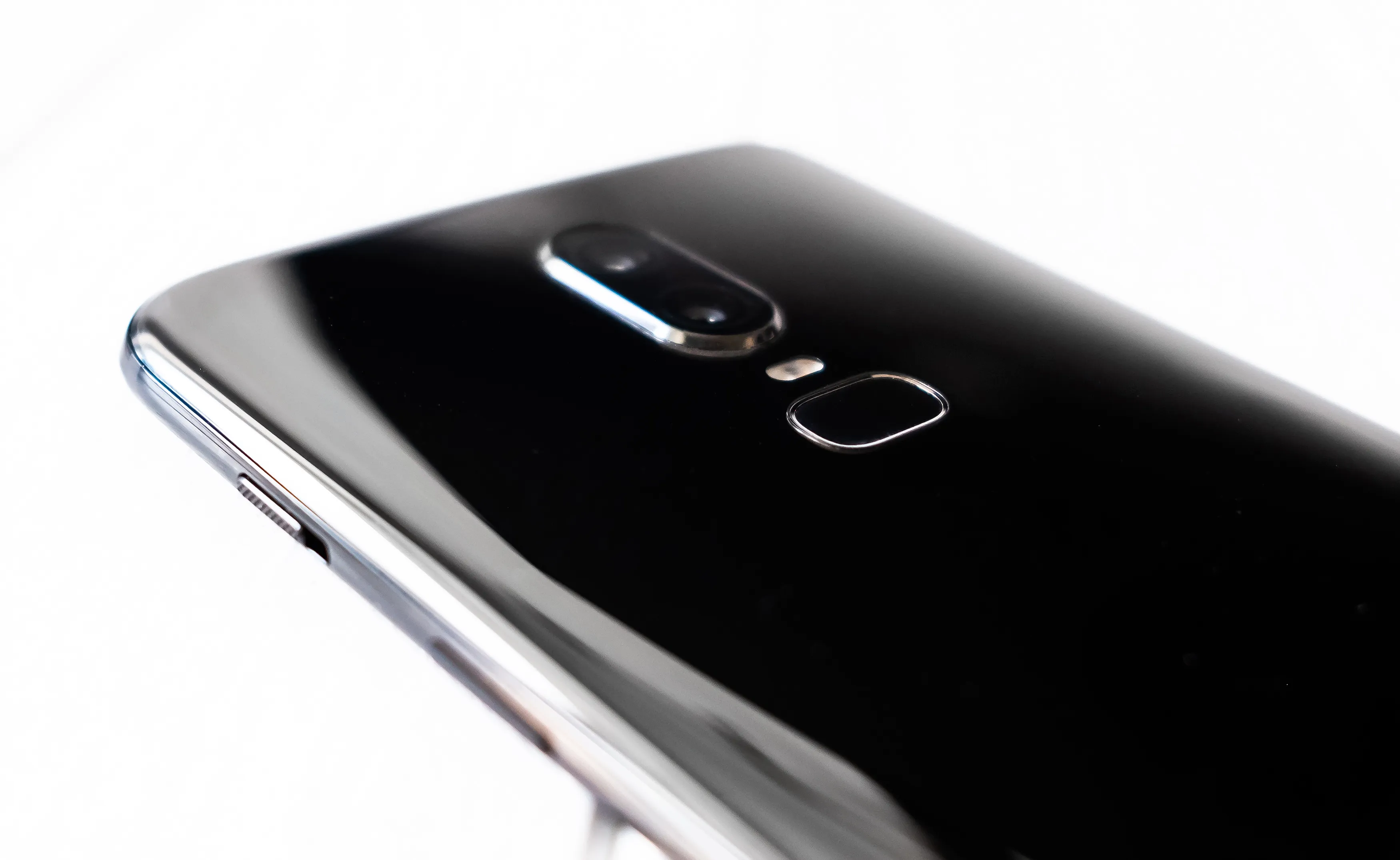
That puts the unannounced OnePlus 16 in an unusual position. Recent leaks point to a possible October launch in China, a roughly 9,000mAh battery, Qualcomm's next flagship Snapdragon processor and a 200MP camera. OnePlus has not confirmed the phone's specifications, launch date, price or availability.
US and European buyers may eventually be able to import the device, but network support, firmware, warranty coverage and repairs will require more scrutiny than they would with an officially released phone.
Why the OnePlus 16 probably won't launch in the US or Europe
OnePlus has not issued a separate availability announcement for the OnePlus 16. However, its decision to end new product rollouts in North America and Europe makes an official release in either region unlikely. Under the company's current plan, the OnePlus 15 appears to be its final officially launched flagship in those markets.
China is the likeliest launch market, while the phone's prospects elsewhere remain uncertain. Reporting from The Verge says OnePlus could withdraw from India and most remaining international markets in 2027. OnePlus disputed that account, telling The Economic Times that its Indian operations would continue as usual.
Neither statement confirms whether the OnePlus 16 will launch in India. A separate tipster claim says the flagship could skip the country, but OnePlus has not released a complete list of planned markets.
The Verge also reported that Oppo, OnePlus' parent company, will continue selling phones in Europe under its own name. OnePlus is ending new launches there, not removing Oppo from the market.
Existing OnePlus owners are not losing support immediately. OnePlus says previously sold devices will continue receiving the updates, security patches and after-sales service promised when they were purchased.
OnePlus will also close its North American Community website and app at 11:59 p.m. ET on August 16, 2026. Posts, comments, photos and troubleshooting guides will no longer be publicly accessible, so users should save anything they want to keep before the deadline.
What to check before importing the OnePlus 16
If the OnePlus 16 launches only in China or selected Asian markets, buyers elsewhere will have to use an importer or cross-border retailer. Finding a listing online will not mean that the phone is officially supported locally.
Before ordering, check the following:
Network compatibility: Match the phone's exact model number—not simply the OnePlus 16 name—against the LTE and 5G bands used by your carrier. A device may connect to the network while still missing frequencies needed for reliable indoor or rural coverage.
Carrier-controlled features: Confirm support for VoLTE, Wi-Fi calling, visual voicemail and 5G. Compatible bands alone do not guarantee that every carrier-controlled feature will work.
Software and Google services: Check which firmware the phone ships with, whether Google Play is installed or officially supported, which languages are available and whether banking, payment and streaming apps retain certification.
Updates: Determine whether the imported model uses the Chinese update channel and whether installing firmware intended for another region could interfere with over-the-air updates or device certification.
Warranty and repairs: OnePlus' US terms state that its limited warranty is valid only in the original country or region of purchase. An imported phone would not ordinarily qualify for local OnePlus warranty service in the US or Europe, although the seller may offer separate coverage.
Total cost: Include import taxes, international shipping, possible return shipping and the risk of paying for repairs locally.
Importing may still make sense for experienced buyers, but a retailer's promise of "global compatibility" is not sufficient proof. Wait for the exact model number, supported-band list and firmware details before ordering.
Which OnePlus 16 leaks are most credible
Several OnePlus 16 reports trace back to Weibo leaker Digital Chat Station rather than independent sources. Repetition across multiple publications therefore does not amount to separate confirmation.
A July 27 report says the phone could retain the OnePlus 15's general design, with a 6.78-inch display and square camera housing. The same leak points to a possible October 2026 launch in China, one month later than an earlier prediction.
Previous leaks describe Qualcomm's unannounced Snapdragon 8 Elite Gen 6 Pro, a roughly 9,000mAh battery and a 200MP telephoto camera. Other reports have described OnePlus testing a 200MP main sensor, so the final camera arrangement remains unclear.
Display claims have also changed. Earlier leaks suggested the phone might support a refresh rate as high as 240Hz during gaming, while a newer report describes a 185Hz display with sub-1mm bezels. OnePlus has not confirmed either figure, and the reported specifications may refer to engineering prototypes rather than final retail hardware.
The rumored specifications would make the OnePlus 16 unusually ambitious on paper, particularly in battery capacity and display performance. None should be treated as final until OnePlus announces the device.
What the optional ColorOS move means for existing phones
OnePlus is also bringing its software operations closer to Oppo's. After ColorOS 17 becomes available, eligible OnePlus users worldwide will have the option to install it voluntarily. Users who switch will be able to roll back to OxygenOS, although OnePlus says the specific rollback versions will be announced later.
Older devices outside the ColorOS 17 upgrade program will continue receiving maintenance for their current software according to their existing support commitments.
Current owners are not being forced to install ColorOS, and OxygenOS phones will not stop working when the regional withdrawal takes effect. OnePlus has also not confirmed which operating system the OnePlus 16 would use outside China—or whether the phone will launch internationally.
Existing owners should check whether their model qualifies for ColorOS 17, how long its current software will receive maintenance and whether switching or rolling back requires a data reset.
Should you import the OnePlus 16?
Existing OnePlus owners in North America and Europe are not being abandoned mid-cycle. The company says previously sold devices will receive their promised updates, security patches and after-sales support. The immediate losses are future official hardware launches and, in North America, the regional Community platform.
Importing the OnePlus 16 may appeal to buyers comfortable checking network bands, managing regional firmware and arranging repairs through an overseas seller. Everyone else should wait until the phone's model numbers, supported frequencies, software and launch markets are confirmed.
The rumored hardware may be competitive, but availability changes the buying calculation. A 9,000mAh battery or 200MP camera offers little value if the phone lacks important carrier features, cannot receive local warranty service or becomes prohibitively expensive to return.
For US and European buyers, compatibility and support now matter more than the specification sheet.



Comments
Be the first, drop a comment!