





Reviewed by: Y. Garcia
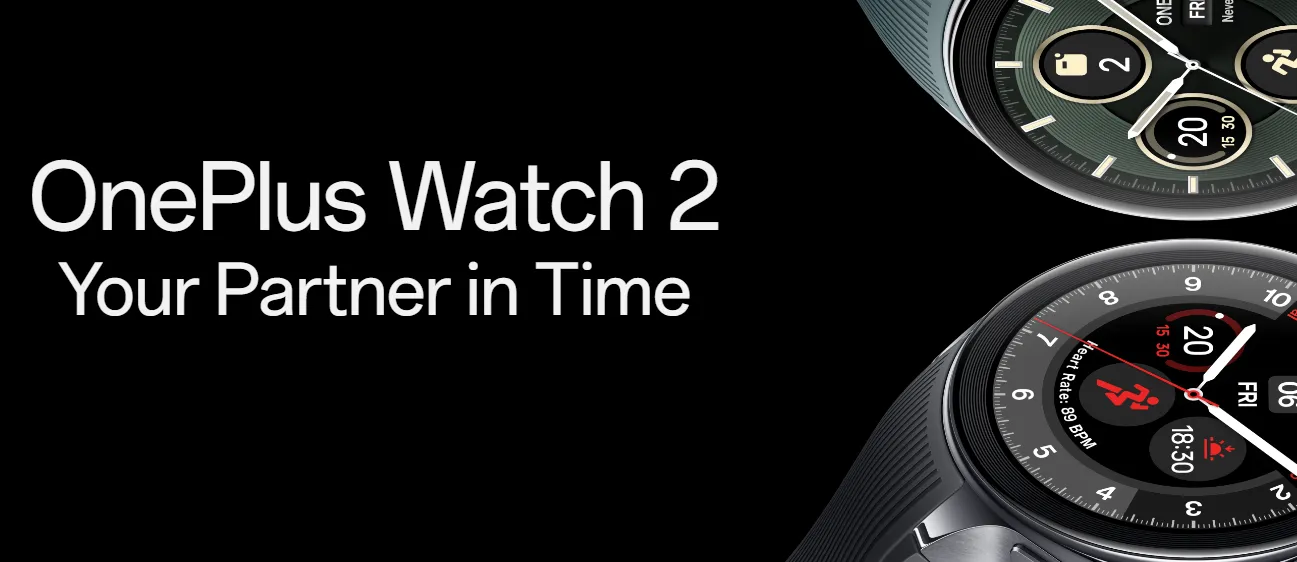
When OnePlus quietly rolled out its Wear OS 5 update for the Watch 2, users expected the usual improvements and bug fixes. Instead, they got something entirely different: a battery nightmare that's been plaguing devices ever since. The situation has turned what was once a multi-day powerhouse into a daily charging necessity, undermining the core value proposition that made this $299 device attractive in the first place.
The OnePlus Watch 2 was supposed to be different. When it launched, OnePlus made some bold claims about 100 hours of mixed-use battery life, backed by their innovative dual-OS approach that combined the power of Wear OS with the efficiency of a real-time operating system. This wasn't just marketing fluff either — early reviews consistently praised the watch's exceptional power management, with the device becoming a standout example of how Wear OS could finally compete on battery life. What makes this current situation particularly troubling is that it directly contradicts the improvements Wear OS 5 was supposed to deliver — serious battery gains and health API improvements that would strengthen the platform's competitive position.
What went wrong with the Wear OS 5 rollout?
Here's where things get particularly puzzling: this update wasn't supposed to happen yet. OnePlus had initially told Watch 2 users to expect Wear OS 5 in Q3 2025, meaning we weren't supposed to see this update until at least July. The fact that it arrived late and unannounced suggests either a significant change in OnePlus's development timeline or a release that wasn't fully ready for prime time.
The Watch 2's architecture makes this particularly problematic. The device originally shipped with Wear OS 4 and featured something genuinely innovative: a sophisticated dual-chip system that combined a Snapdragon W5 processor with a BES2700 chipset for RTOS functionality. Think of it like having two different engines in your car — one for highway cruising (RTOS for basic functions like watch faces and notifications) and one for when you need full power (Wear OS for apps and complex tasks).
This dual-OS approach was designed to provide the full capabilities of Wear OS while maintaining power efficiency through intelligent switching. The transition between the two systems was supposed to be seamless, automatically switching based on what you were doing. However, the transition to Wear OS 5 appears to have fundamentally disrupted this delicate balance, causing the watch's power management algorithms to malfunction.
The stealth nature of this rollout raises serious questions about OnePlus's quality control processes. When you're dealing with such complex dual-chip architecture, early OS updates without proper beta testing can create the exact scenario we're seeing now.
The battery life reality check
Let's talk numbers, because the performance regression is dramatic. Before this update, the OnePlus Watch 2 was genuinely impressive in the battery department. Real-world testing showed the device could easily achieve just under three days of usage with always-on display enabled. For business travelers, this meant leaving the charger at home for weekend trips. For fitness enthusiasts, it meant uninterrupted workout tracking across multiple training sessions.
The 500mAh battery pack was considered phenomenal for a Wear OS device, and for good reason. Users reported over 48 hours of continuous use, even with heavy usage patterns such as GPS tracking, constant heart rate monitoring, and frequent app use. OnePlus's confidence in their mixed-use scenario wasn't unfounded — the watch genuinely could stretch toward that 100-hour claim under optimal conditions.
Now, here's the harsh reality: post-update, users are seeing battery life that barely matches that of standard Wear OS devices. What was once a five-day device under light usage is now struggling to make it through 24 hours of typical use. This isn't just a minor regression — it's a complete elimination of the watch's primary differentiating feature. For users who specifically chose the Watch 2 over alternatives like the Pixel Watch or Galaxy Watch because of its superior battery life, this represents a fundamental breach of the value proposition they paid for.
The timing is particularly frustrating given the Watch 2's premium positioning in the market at $299 in the US. When battery life was the primary selling point, and that advantage disappears overnight through a software update, it creates legitimate questions about whether affected users received the product they actually purchased.
Why this matters for the broader Wear OS ecosystem
This situation exposes critical vulnerabilities in the Wear OS platform's evolution strategy. Consider the broader context: Wear OS has been gaining significant momentum, now commanding roughly 27% of the advanced smartwatch market share outside China. This isn't insignificant — we're talking about real market credibility after years of struggling against Apple's dominance.
The platform finally seemed to be hitting its stride with devices like Google's Pixel Watch and Samsung's Galaxy Watch leading the charge, and Wear OS 5 was positioned as a major step forward in platform maturity. The promise was clear: enhanced battery optimizations and improved health APIs that would make the platform more competitive with Apple Watch's efficiency and health tracking capabilities.
However, the OnePlus Watch 2 situation demonstrates how quickly innovative hardware implementations can become liabilities during major OS transitions. Other manufacturers considering dual-chip approaches or custom power management solutions are likely watching this situation closely, wondering if their own implementations might face similar compatibility challenges with future Wear OS updates.
This creates a broader trust issue for the platform. If manufacturers can't confidently implement power-saving innovations without risking compatibility problems during OS updates, it limits the kind of battery life improvements that could make Wear OS truly competitive. The irony is particularly stark: Wear OS 5's battery optimizations are causing battery problems for one of the platform's most battery-efficient devices.
The long-term implication is that this incident could slow adoption of innovative dual-OS approaches that actually benefit users, simply because manufacturers might prefer safer, more traditional implementations that are less likely to break during OS updates.
What's next for affected users?
Bottom line: OnePlus Watch 2 owners are in a frustrating waiting game with no clear timeline for resolution. The complexity of the Watch 2's dual-OS architecture means this isn't a simple bug that can be patched quickly. The watch relies on precise coordination between Wear OS and RTOS modes, and when that balance gets disrupted by an OS update, restoring it requires careful re-optimization of power management algorithms, chipset coordination, and potentially firmware updates for both processing units.
Here's what affected users should realistically expect: OnePlus has a track record of supporting its devices, and the Watch 2 was originally promised at least three years of software support. However, this battery drain issue represents a critical problem that demands immediate attention, not just for user satisfaction but for OnePlus's credibility in the wearables market.
PRO TIP: While waiting for a fix, affected users can try some emergency battery conservation strategies. Based on general Wear OS optimization principles, disabling always-on display, reducing screen brightness, and turning off unnecessary health monitoring features can help extend battery life, though this essentially defeats the purpose of owning a premium device.
The key challenge is that this isn't just about fixing a software bug — it's about restoring confidence in both OnePlus's wearable strategy and the broader Wear OS platform's reliability during major updates. If OnePlus can't resolve this quickly and effectively, it could impact the adoption of their upcoming devices and create hesitation among users considering other innovative Wear OS implementations.
For now, affected users are essentially beta testing an unfinished OS transition on a device they paid premium prices for based on specific performance promises. The situation serves as a reminder that when manufacturers push the boundaries of what's possible with Wear OS, early adopters sometimes pay the price for innovation — even when that innovation was working perfectly before the update.
Image source: OnePlus



Comments
Be the first, drop a comment!