





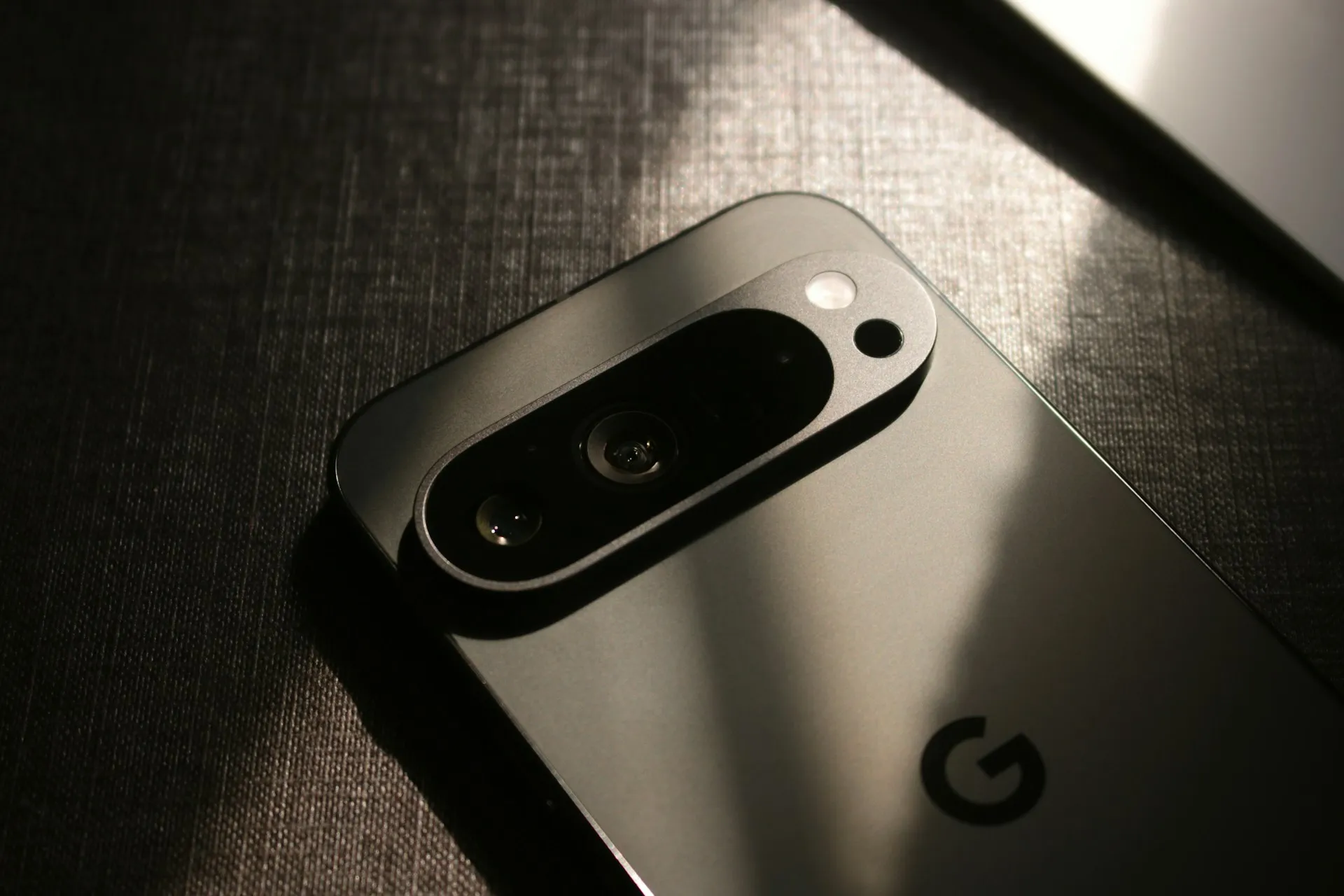
New hands-on footage from China shows the OnePlus 16's rear lighting system in action. OnePlus calls the feature the Interstellar Lighting Effect, while OnePlus China President Li Jie Louis has also referred to it as the "Interstellar Light Effect." Both names refer to the same rear-lighting system.
OnePlus says the lights can respond to calls, notifications, music, charging, and gaming. The circulating hands-on clips confirm the lighting hardware itself and show how the illuminated areas look on the phone, but they don't independently demonstrate every trigger OnePlus lists.
The LEDs are exclusive to the Tomorrow's Starlight colorway. OnePlus's Dark Forest and Mars Masterpiece versions don't include the exterior lighting feature. (91mobiles; Notebookcheck)
OnePlus has also opened pre-bookings in China, although it hasn't announced the phone's final launch date or price. The OnePlus 16 won't receive an official North American or European release under OnePlus's current product strategy, leaving importing as the likely route for buyers in those markets.
What the OnePlus 16 Interstellar Lighting Effect confirms
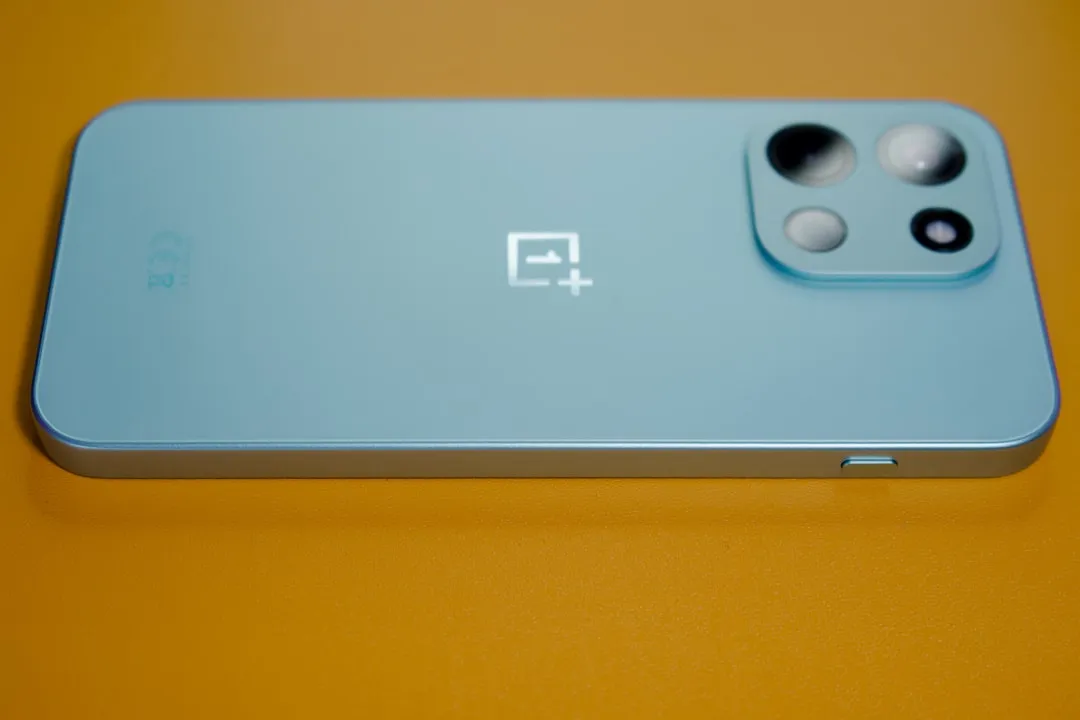
The hands-on videos show three illuminated areas on the Tomorrow's Starlight rear panel: two near the bottom and one beside the camera housing in the upper-right corner.
The lower-left area illuminates the OnePlus 16 branding, the lower-right area lights the Tomorrow's Starlight coordinates, and the upper-right section illuminates a star-shaped symbol.
Other decorative elements on the rear panel, including a hidden Morse code message, don't appear to be illuminated.
The LEDs also appear to use a warm fixed-color light rather than RGB hardware. The hands-on footage shows the same warm orange-yellow tone across the illuminated sections, and Notebookcheck found them visible in a reasonably well-lit indoor environment.
That's still an observation rather than a published LED specification. OnePlus hasn't said whether the hardware can produce other colors.
OnePlus says different events can produce different lighting effects, but it hasn't published a complete map showing which animation or pattern corresponds to calls, messages, charging, music, or games.
What the OnePlus 16 rear LED lights still don't confirm
None of the current hands-on footage shows the lighting settings interface.
It's therefore still unclear how much control owners will get over the system, including whether they can:
Assign lighting effects to individual apps or contacts
Change brightness
Choose between different animation patterns
Disable specific triggers while keeping others active
Control how the lights behave under Do Not Disturb
Turn the lighting system off completely
OnePlus also hasn't explained how the feature behaves when the phone is face-down for long periods or whether notifications continue to trigger the lights until they're dismissed.
Case compatibility is another open question. The lighting is built into the rear design, but OnePlus hasn't shown how visible the three illuminated sections remain through its own cases or third-party accessories.
Battery impact also hasn't been independently measured. The LEDs appear relatively small, but there is no battery test establishing how much power repeated notification, music, gaming, or charging animations consume.
Daylight visibility remains similarly untested. The lights are visible in indoor hands-on footage, but that doesn't establish how noticeable they will be outdoors or in direct sunlight.
Why the OnePlus 16 Tomorrow's Starlight color gets the lights
The OnePlus 16 comes in three confirmed colors: Tomorrow's Starlight, Dark Forest, and Mars Masterpiece.
Tomorrow's Starlight is the only version with the Interstellar Lighting Effect.
The colorway also uses what OnePlus calls a silk glass process, which the company says gives the rear panel a smoother feel while making fingerprints less noticeable.
That material description is a OnePlus claim rather than the result of independent durability or fingerprint testing.
The lighting hardware is tied specifically to Tomorrow's Starlight. Buyers choosing Dark Forest or Mars Masterpiece shouldn't expect the same rear LEDs.
Other confirmed specifications aren't color-specific. OnePlus has announced a system-wide 165Hz display and opened Chinese reservations for four memory configurations:
12GB RAM / 256GB storage
12GB RAM / 512GB storage
16GB RAM / 512GB storage
16GB RAM / 1TB storage
Those configurations are listed for the Chinese market and don't establish what storage options might have been offered elsewhere.
Who can buy the OnePlus 16 right now
OnePlus has opened pre-bookings for the OnePlus 16 in China. That isn't the same as the phone being on general sale, and the company hasn't yet announced its final Chinese launch date or price.
US and European availability is clearer.
OnePlus confirmed in July that it will no longer launch new products in North America or Europe. Existing OnePlus customers in those regions will continue receiving promised software updates and after-sales support for products already sold there.
That means the OnePlus 16 isn't expected to receive an official US or European release under the company's current policy.
Importing may still make the phone accessible, but buyers should check cellular-band compatibility, eSIM and carrier support, firmware differences, warranty coverage, repair options, and seller return policies before ordering a Chinese-market model.
OnePlus continues to operate in India, but reports have separately suggested the OnePlus 16 itself could skip that market. OnePlus hasn't confirmed an Indian launch or cancellation for this model yet.
What to check before importing
OnePlus has confirmed the feature's intended triggers: calls, notifications, music, charging, gaming, and other events.
The hands-on footage adds useful hardware detail. It shows three separate lighting areas integrated into the Tomorrow's Starlight rear panel and indicates that the LEDs use a warm, non-RGB appearance.
What remains unknown is how useful the system is in everyday use.
Before importing specifically for the Interstellar Lighting Effect, wait for independent testing of:
Lighting customization and settings
Per-app or per-contact controls
Do Not Disturb behavior
Brightness adjustment
Outdoor visibility
Case compatibility
Battery consumption
Whether every advertised trigger works consistently
The feature is real, and the Tomorrow's Starlight model clearly has physical rear lighting that the other two colors lack.
What isn't established yet is whether the Interstellar Lighting Effect functions as a genuinely customizable notification system or mainly as a visual design feature. That distinction will become clearer once OnePlus publishes the settings controls and retail units receive independent testing.



Comments
Be the first, drop a comment!