





OnePlus 16 Leak: 240Hz Display and Dual 200MP Cameras Could Redefine Flagship Performance
The smartphone rumor mill never stops churning, and the latest whispers about the OnePlus 16 have tech enthusiasts buzzing. If the leaked specifications prove accurate, we're looking at a device that could push the boundaries of what we expect from upcoming flagships (2026).
Let's break down what these rumored specs actually mean for users—and whether the hype is justified.
The 240Hz Display: Overkill or the New Standard?
A 240Hz refresh rate on a smartphone display sounds almost excessive. After all, many mainstream flagships use 120Hz displays, while some gaming or niche models reach 144/165Hz — a few devices (mostly regionally sold models) advertise 240Hz variants. So what would doubling that ceiling actually accomplish?
Here's what you need to know: Higher refresh rates create smoother animations, more responsive touch input, and noticeably improved scrolling fluidity. The jump from 60Hz to 120Hz was transformative—anyone who's used a modern flagship can attest to that. But the improvements become more subtle as you climb higher.
For gaming enthusiasts, a 240Hz display could be genuinely game-changing. Mobile esports titles are becoming increasingly competitive, and professional players already seek every advantage they can get. That said, there's a catch: mobile games need to actually support these frame rates to deliver any benefit. Very few mobile titles run above 120fps; many support 120fps but anything beyond that is extremely rare.
The practical reality? For everyday scrolling through social media, reading articles, or watching videos (which are typically 24-60fps), you probably wouldn't notice much difference between 120Hz and 240Hz. But for specific use cases—particularly gaming and UI interactions—the potential is intriguing.
Bottom line: A 240Hz display represents impressive engineering, but its real-world value depends entirely on software support and your usage patterns.
Dual 200MP Cameras: When More Megapixels Actually Matter
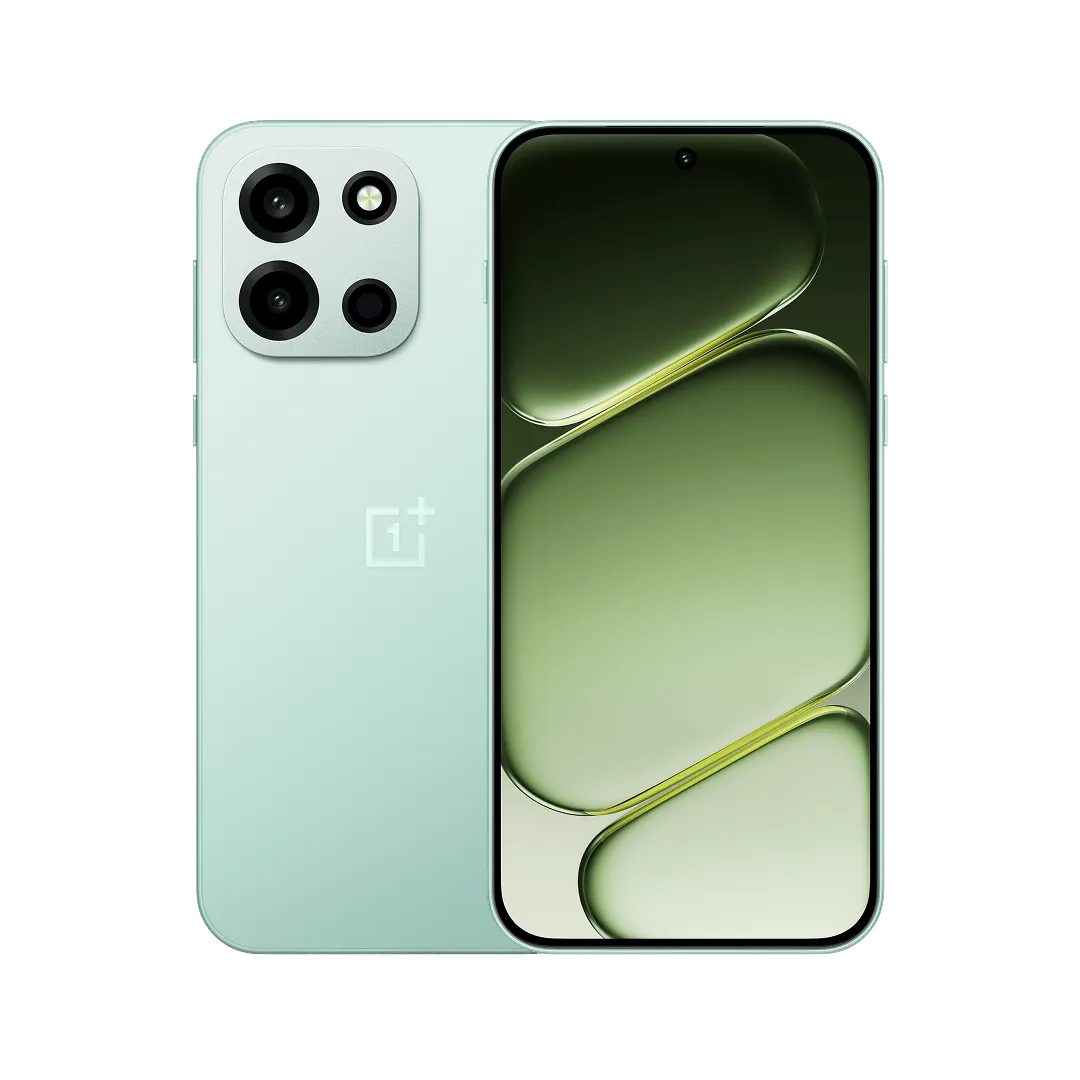
The megapixel wars seemed to cool down in recent years as manufacturers focused on computational photography and sensor quality over raw resolution. OnePlus potentially equipping the OnePlus 16 with not one but two 200MP sensors would represent a bold reversal of that trend.
Let's be clear: megapixel count alone doesn't determine image quality. Sensor size, pixel binning technology, lens quality, and image processing algorithms all play crucial roles. But when implemented thoughtfully, ultra-high-resolution sensors offer legitimate advantages.
The key benefits of 200MP sensors include:
Exceptional digital zoom capabilities: With that much resolution, you can crop aggressively while maintaining detail
Pixel binning for low-light performance: Modern high-res sensors combine multiple pixels into one for better light gathering in dim conditions
Future-proofing for 8K video: As 8K displays become more common, having the resolution headroom makes sense
Impressive detail in good lighting: For landscape photography or architectural shots, the resolution can be genuinely useful
The dual-camera approach is particularly interesting. Presumably, OnePlus would use one sensor for the main wide-angle camera and another for telephoto or ultra-wide applications. This could deliver consistent image quality across different focal lengths—a persistent weak point for many smartphone camera systems.
PRO TIP: If these specs materialize, pay close attention to the sensor sizes and aperture specifications. A 200MP sensor crammed into a tiny smartphone camera module with a small aperture might actually perform worse than a well-designed 50MP system with better light-gathering capabilities.
The Bigger Picture: OnePlus's Positioning Strategy
These rumored specifications tell us something important about OnePlus's brand strategy. After years as part of BBK's portfolio and deeper integration/merger with OPPO, OnePlus and experiencing some brand identity confusion, OnePlus appears to be reasserting itself as the spec-focused enthusiast brand.
The original OnePlus formula was simple: deliver flagship specifications at mid-range prices with a focus on performance and clean software. While recent OnePlus devices have crept upward in price and closer to Oppo in design philosophy, these leaked specs suggest a return to the "never settle" mentality that built the brand's reputation.
Imagine this scenario: You're a mobile gamer who demands every possible performance advantage, or a content creator who wants maximum camera flexibility without carrying multiple devices. The OnePlus 16, if these specs are accurate, would be squarely targeting you.
What We're Still Missing
Specifications leaked in isolation only tell part of the story. Several critical questions remain unanswered:
Battery life implications: A 240Hz display is a power-hungry beast. What battery capacity is OnePlus planning, and how efficient will the display's adaptive refresh rate technology be?
Thermal management: High refresh rates and intensive camera processing generate heat. How will OnePlus keep the device cool during extended gaming sessions or 8K video recording?
Software optimization: Hardware is only half the equation. Will OnePlus's OxygenOS (or ColorOS, depending on region) fully leverage this hardware with thoughtful software features?
Pricing: Specifications this aggressive typically command premium pricing. If OnePlus positions this above $1,000, it enters direct competition with Samsung's Galaxy S series and Apple's iPhone—a different competitive landscape than the brand's value-focused origins.
Real-world camera performance: Megapixels are meaningless without excellent image processing. OnePlus has improved its computational photography significantly in recent generations, but still trails Samsung and Google in some scenarios.
The Leak Credibility Question
As we've seen from our extensive coverage of smartphone leaks over the years, specifications that surface months before announcement should be viewed with healthy skepticism. Details change during development, features get cut for cost or engineering reasons, and sometimes leaks are deliberately misleading.
That said, the specific nature of these claims—240Hz display and dual 200MP cameras—suggests they're based on supply chain information or development unit hands-on time rather than pure speculation. Component orders and display panel production timelines often leak through manufacturing partners.
Should You Be Excited?
This isn't just about new tech—it's about rethinking the way we interact with our smartphones and what we demand from our primary cameras.
If you're someone who:
Plays competitive mobile games regularly
Creates content and values camera versatility
Appreciates having the absolute latest technology
Wants maximum future-proofing in your device investment
...then yes, the OnePlus 16 deserves a spot on your radar.
If you're someone who:
Prioritizes battery life above all else
Uses your phone primarily for communication and media consumption
Values camera consistency and computational photography over raw resolution
Prefers proven technology over bleeding-edge specs
...then you might want to see how these specifications translate to real-world performance before committing.
The Waiting Game
While it might sound futuristic, the facts show that smartphone technology continues advancing at a remarkable pace. Features that seem like overkill today often become tomorrow's baseline expectations.
Whether the OnePlus 16 successfully executes on these ambitious specifications remains to be seen. But if nothing else, these leaks suggest the flagship smartphone race is far from over—and that's excellent news for consumers who benefit from manufacturers pushing each other toward innovation.
We'll be watching closely as more information emerges. Stay tuned for hands-on coverage when OnePlus officially unveils what they've been working on.
The key takeaway is that specifications alone don't make a great smartphone—but they do set the stage for what's possible. If OnePlus can pair this impressive hardware with thoughtful software, competitive pricing, and the reliability the brand has become known for, the OnePlus 16 could be a genuine contender in the premium smartphone space.





Comments
Be the first, drop a comment!